



This month is the forty-second anniversary of the legal decision, Roe v. Wade, in which the Supreme Court eliminated the abortion laws of all 50 states. Here are five facts about the plaintiff behind the case that transformed America:
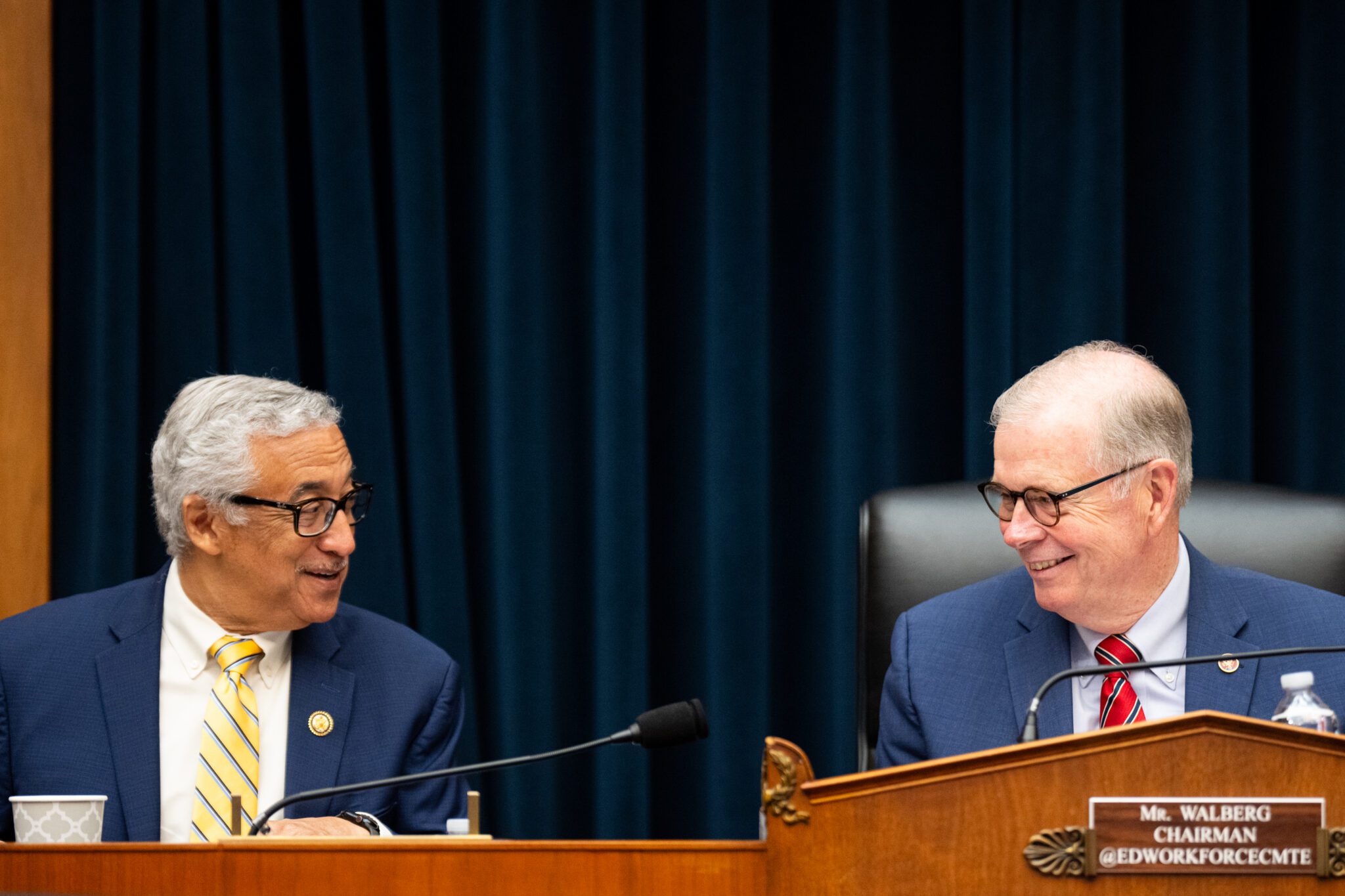
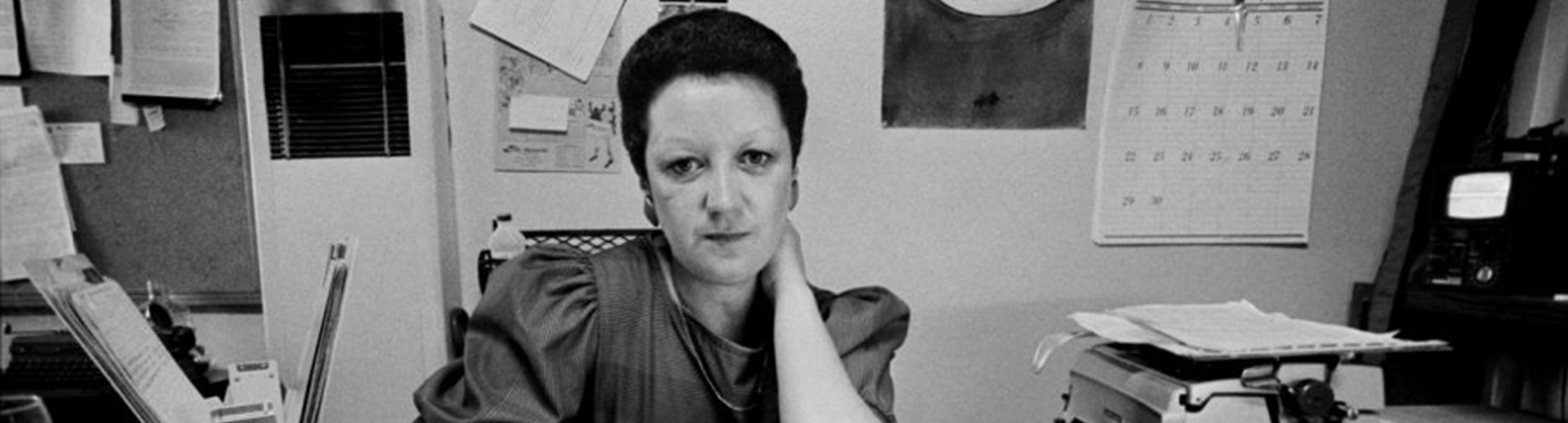
1. "Jane Roe" was the legal pseudonym for Norma McCorvey the plaintiff in Roe v. Wade. McCorvey filed court documents against Henry WADE, the district attorney of Dallas County from 1951 to 1987, who enforced a Texas law that prohibited abortion, except to save a woman's life.
2. In 1969, McCorvey was 22 years old, divorced, homeless, and pregnant for the third time (she had placed her first two children for adoption). An adoption agency connected her with two young lawyers fresh out of law school who were eager to challenge the Texas statutes on abortion. McCorvey only met with her lawyers twice-once for beer and pizza, the other time to sign an affidavit (which she didn't read). In order to speed things up McCorvey lied and told them she had been raped. She never appeared in court, and she found out about the infamous ruling from the newspapers. The baby she was seeking to abort was born and placed for adoption.
3. When McCorvey met her lawyers she didn't know the meaning of "abortion." Her lawyers told her that abortion just dealt with a piece of tissue, and that it was like passing a period rather than the termination of a distinct, living, and whole human organism. Abortion was a taboo topic in 1970, and Norma had dropped out of school at the age of 14. She knew that John Wayne movies talked about "aborting the mission," so she thought it meant to "go back"—as in, going back to not being pregnant. She honestly believed "abortion" meant a child was prevented from coming into existence.
4. In the late-1990s, McCorvey was working at a Dallas abortion clinic when the anti-abortion group Operation Rescue moved its offices next door. She says Rev. Phillip Benham, Operation Rescue's national director, started "sharing the Gospel of Jesus Christ" with her. She later became a Catholic and committed pro-life advocate.
5. In February 2005, McCorvey petitioned the Supreme Court to overturn the 1973 decision with McCorvey v. Hill, arguing that she had standing to do so as one of the original litigants and that the case should be heard once again in light of what she claimed was evidence that the procedure harms women. The courts, however, denied her petition.