
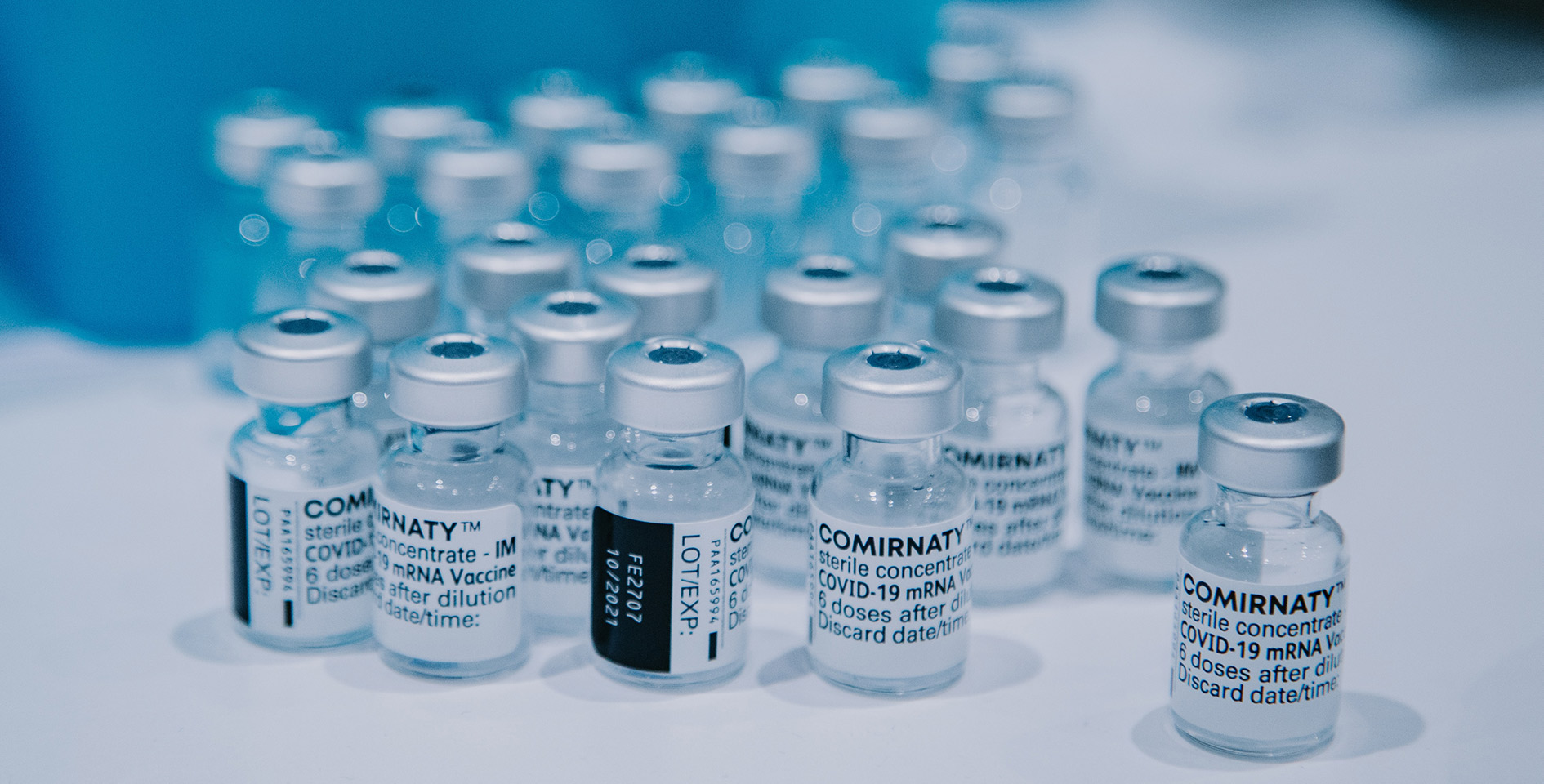

Federal regulators are likely to approve booster vaccines for all three approved COVID-19 vaccines — Pfizer, Moderna, and Johnson & Johnson — starting six months after inoculation, according to recent news reports. The Biden administration and companies have said that there should be enough supply for boosters that they plan to begin distributing more widely on Sept. 20.
Here is what you should know about COVID-19 booster vaccines.
What exactly are booster vaccines?
A booster vaccine or booster shot is an additional dose of a vaccine that is given after a specified time to “boost” the immune system and the immune response to a particular disease. For example, it is recommended that every 10 years adults get a booster shot of the tetanus and diphtheria (Td) vaccine to ensure protection against those conditions. It’s not entirely clear to medical researchers why some vaccines are effective for life while others require booster doses.
Are the booster vaccines the same as the initial vaccines?
Viruses constantly mutate, which is why there are a number of viral variants (such as the Delta variant) that differ somewhat from the original novel coronavirus that causes severe acute respiratory syndrome coronavirus 2 (SARS-CoV-2). In the future, pharmaceutical companies may create vaccines for specific strains of the virus (as is done now for the flu virus). But for now the booster vaccines for COVID-19 are the same formulation of the original vaccine created by Pfizer, Moderna, and Johnson & Johnson.
What are the side effects of the booster vaccine?
Health officials predict that the effects of the booster vaccine will be similar to the reaction caused by the last dose of the initial vaccine. The most common side effects are headache, fatigue, a low-grade fever, and/or muscle aches.
Do people who are immunocompromised need a COVID-19 booster vaccine?
To develop an initial level of immunity requires a specific dosage. For most people, the two doses of the Moderna or Pfizer vaccines or the one dose of the Johnson & Johnson vaccine are sufficient to build an initial immune response. However, people who are immunocompromised may not be “fully vaccinated” against COVID-19 until they have an extra dose of the vaccine. For the immunocompromised, this additional (third in the case of Moderna or Pfizer, second for Johnson & Johnson) is not a booster but a necessary dose in the primary vaccine series.
If we need a booster dose, does that mean that the vaccines aren’t working?
No. According to the Centers for Disease Control, COVID-19 vaccines are “working very well to prevent severe illness, hospitalization, and death, even against the widely circulating Delta variant.” With the Delta variant, though, public health experts are starting to see reduced protection against mild and moderate disease. For that reason, the U.S. Department of Health and Human Services (HHS) is planning for a booster shot so vaccinated people maintain protection over the coming months.
When will booster vaccines be available in the United States?
Before booster vaccines can be administered, the Food and Drug Administration (FDA) must conduct an independent evaluation to determine their safety and effectiveness. The Centers for Disease Control and Prevention’s Advisory Committee on Immunization Practices must also issue booster dose recommendations.
This process is expected to be approved in time for boosters for the Pfizer and Moderna vaccines to be available beginning Sept. 20. As with the initial shots, the people scheduled to receive them first are healthcare workers, nursing home residents, senior citizens, and others who received their first round of vaccinations last December.
Federal health officials are currently waiting to determine if a booster will be recommended for those who received the Johnson & Johnson vaccine. Because that vaccine was not authorized until the end of February, there is less data available but also more time before the period for a booster becomes necessary.