



Over the past decade, scientists have developed a technique called mitochondrial replacement therapy (MRT), which allows for the creation of babies with three genetic parents. MRT was originally developed to prevent the transmission of certain genetic diseases from parent to child. Yet as MIT Technology Review notes, “new evidence suggests it doesn’t always work—and could create babies at risk of severe diseases.” It was also discovered that MRT has been used as a way to treat infertility.
Whether or not this technology has the potential to prevent the transmission of certain genetic diseases or to help overcome infertility, the technology raises serious and significant bioethical and theological concerns. Here is what Christians should know about this controversial IVF technique.
What is mitochondrial replacement therapy (MRT)?
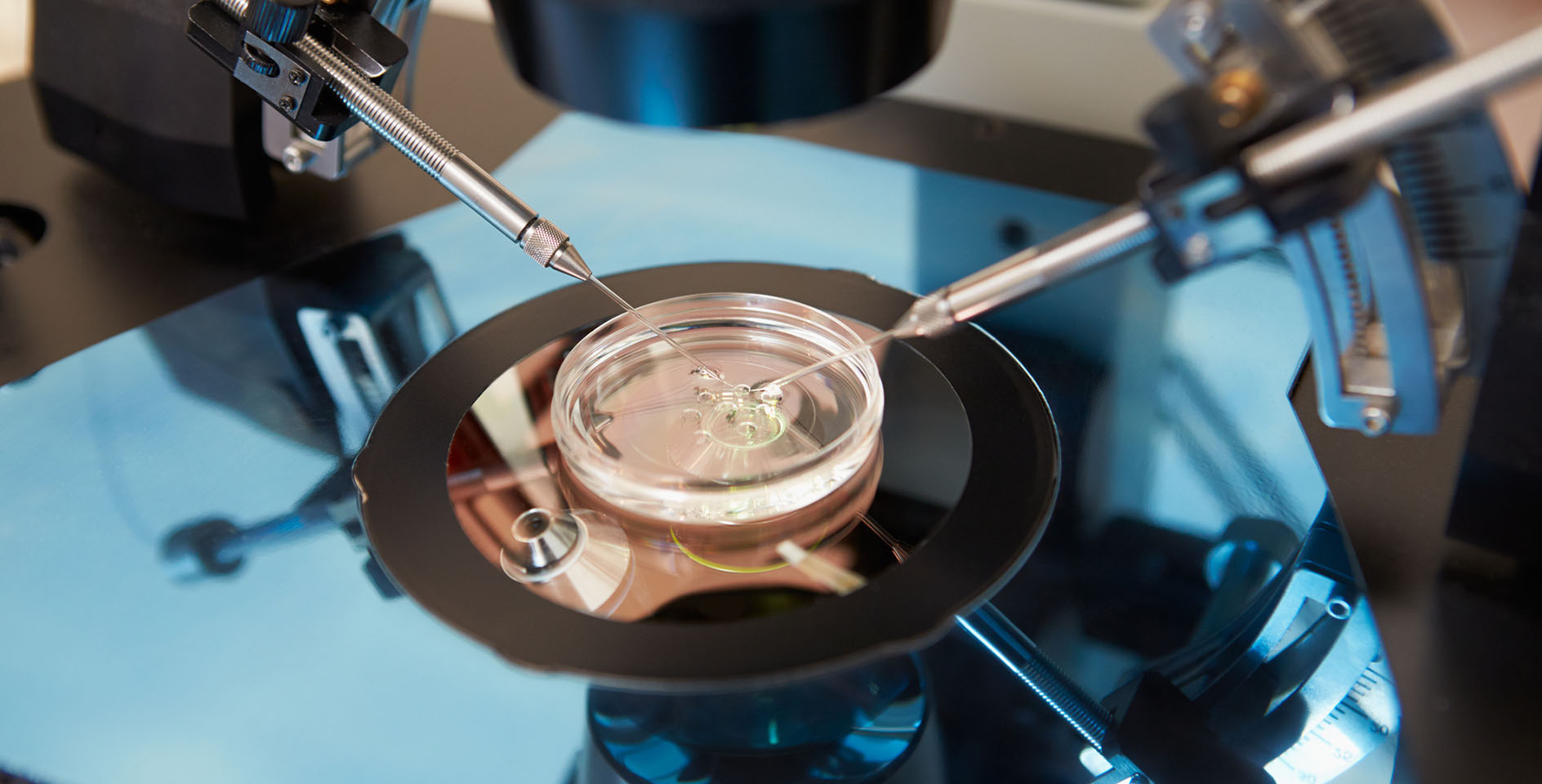
The process of creating babies with three genetic parents involves replacing the faulty mitochondrial DNA of the egg with healthy mitochondrial DNA from a donor, a technique, known as mitochondrial replacement therapy (MRT). Mitochondria are the energy-producing organelles within cells, and their dysfunction can lead to serious health problems for the baby. By using MRT to replace the faulty mitochondria, the child could theoretically be protected from mitochondrial diseases.
But the techique is not as sucessful as it once appearred. MIT Technology Review found two cases in which babies conceived with the procedure have shown what scientists call “reversion.” In both cases, notes Jessica Hamzelou, the proportion of mitochondrial genes from the child’s mother has increased over time, from less than 1% in both embryos to around 50% in one baby and 72% in another. “These mitochondrial diseases have devastating consequences,” as Björn Heindryckx at Ghent University in Belgium told MIT Technology Review. “We should not continue with this.”
Where is the “three-parent baby” technique currently legal?
Australia and the United Kingdom are the only nations that have explicitly authorized MRT. However, it has been used in IVF clinics in other countries, such as Greece and Ukraine.
The procedure is currently disallowed in the U.S. because Congress has, since 2015, included a provision in the federal budget that forbids altering the genomes of human embryos intended for pregnancies.
What are the concerns about MRT?
While this technique may sound promising, it raises numerous ethical and medical concerns.
One of the most significant bioethical concerns about this technique is that MRT involves the manipulation of genetic material, which could alter and affect the genetic makeup of future generations. This could have dangerous consequences, particularly in cases where the genetic changes are passed down through multiple generations. The reason is that mitochondria are not merely energy-producing organelles; they also play a role in a wide range of cellular processes. By replacing a woman’s defective mitochondria with healthy mitochondria from a donor, there is a risk of disrupting these cellular processes and causing unintended health problems. The long-term effects of MRT are not yet fully understood, and the safety of the procedure has not yet been established.
However, the research needed to make the technique viable and safe is itself unethical. Christians believe in the inherent value and dignity of all human life at every stage of development—including the embryonic stage. MRT requires the creation and destruction of human beings in the embryonic stage solely for research purposes. This killing of human beings for the purposes of research is an unjustifiable violation of the sanctity of life.
Genetic modification may also lead to an increased acceptance of eugenics. Eugenics is the idea of improving the genetic quality of the human population through selective breeding or genetic engineering. While MRT is not directly related to eugenics, it does involve selecting and manipulating genetic material to achieve a desired outcome. This could potentially lead to a slippery slope where parents feel pressure to select certain traits in their children, or where certain traits are seen as more desirable than others. This could lead to a further devaluation of human life and a focus on genetic perfection rather than the inherent value of every human being made in God’s image.
Finally, there are concerns about the impact of MRT on family relationships. The creation of a child with genetic material from three different individuals raises questions about parentage and identity. This could lead to legal and social issues, such as disputes over custody and inheritance rights. MRT could further undermine the traditional understanding of the biological family unit (i.e., one biological mother and one biological father) and could have negative consequences for the emotional and psychological well-being of children created through this technology.
While the technique has the remote potential to offer hope to some couples at risk of passing on genetic disorders, both the known ethical concerns and the unforeseeable and unmanageable effects on future generations make it a reproductive technology that Christians should reject and oppose.