

Allowing displays of faith in the public square is not an establishment of religion.
What is this case about?
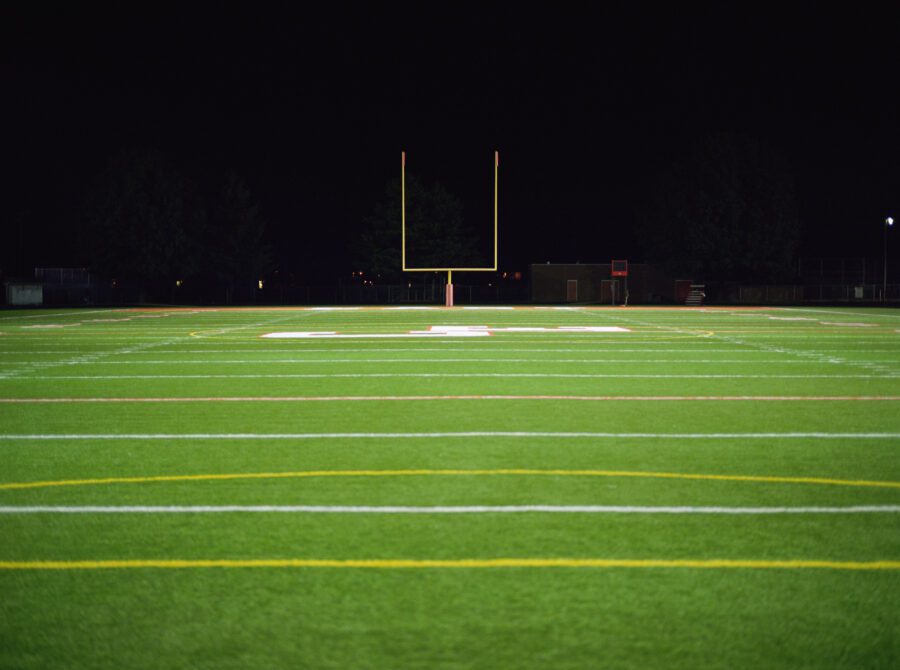
Joseph Kennedy was a high school football coach in Washington state who was fired for kneeling by himself at midfield after a game and saying a quiet prayer by himself. Occasionally, students would join him and also pray by themselves at midfield after games. After a series of back-and-forth discussions with the School District, Coach Kennedy was fired.
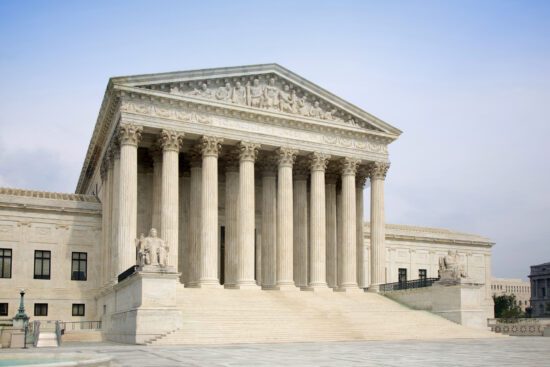
The federal district court and Ninth Circuit Court of Appeals upheld his firing as a violation of the Establishment Clause. Coach Kennedy is appealing his case to the Supreme Court of the United States, asking them to take up the basic question of whether public school coaches retain any First Amendment rights when at work and “in the presence of” students.
How is the ERLC advocating on this case?
The ERLC and 13 other organizations filed an amicus brief on October 18, 2021 in support of Coach Kennedy. The brief urged the high court to accept the case and reverse the Ninth Circuit Court of Appeals’ decision that Joseph Kennedy’s act of praying – ultimately joined by some players — constituted a government establishment of religion.
In 2018, ERLC joined eight other groups in a brief that called for Supreme Court review and repudiation of the Ninth Circuit in the case, but the justices declined to grant the request at the time. The case returned to federal court and has now worked its way back through the judicial system.
Why does this case matter for Southern Baptists?
Across the denomination, many Southern Baptists work in the public education sector. It is our calling as Christians to live out our faith in public and be salt and light in our communities and places of work.
While Baptists rightly recognize the importance of separation of church and state, allowing displays of faith in the public square does not create an establishment of religion. The Supreme Court has historically protected freedom of expression, and we are hopeful that the justices will once again rule in favor of freedom of religion in the public square.