




Religious freedom does not end at the execution chamber door.
What is this case about?
The Ramirez v. Collier case began in August 2021 when John Ramirez, a Texas inmate who was scheduled to be executed for murder, requested that Dana Moore, his Southern Baptist pastor, be allowed to minister to him while he is executed. Pastor Moore serves the Second Baptist Church in Corpus Christi, of which Ramirez is a member. Ramirez explained that he wanted his pastor “to be present at the time of his execution to pray with him and provide spiritual comfort and guidance in his final moments.” Pastor Moore, who has ministered to Ramirez for four years, agrees that prayer accompanied by touch is “a significant part of our faith tradition as Baptists.”
Prison officials refused to grant Ramirez’s request, because at the time, Texas’s execution protocol barred all spiritual advisors from entering the chamber and Ramirez sued prison officials in response. The Supreme Court agreed to hear Ramirez v. Collier on an expedited basis. On Sept. 8, just hours before Ramirez was to be executed for a murder in Corpus Christi, the Supreme Court granted a stay of the execution. Ramirez asserted that the state’s refusal to allow his pastor to touch him and pray aloud violates both the Constitution and RLUIPA, the federal law that applies to those in prison and guarantees their religious rights will be respected.
What did the Supreme Court decide?
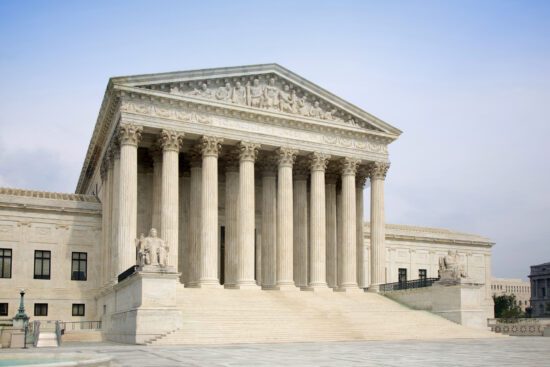
On March 24, in a 8-1 decision, the Supreme Court ruled that that Mr. Ramirez should be allowed to have his Southern Baptist pastor pray aloud and lay hands on him as he is executed. The court found that Mr. Ramirez “is likely to succeed on his RLUIPA claims because Texas’s restrictions on religious touch and audible prayer in the execution chamber burden religious exercise and are not the least restrictive means of furthering the State’s compelling interests.” In this ruling the court reversed and remanded the decision of the Fifth Circuit and provided direction for the lower courts to ensure that Mr. Ramirez’ religious liberty is protected in the final moments of his life.
This is a significant win for religious liberty, and for Mr. Ramirez’s ability to have his Southern Baptist pastor in the execution chamber with him, audibly praying and laying hands on him. The Supreme Court affirmed that religious freedom does not end at the execution chamber door.
Why does this case matter for Southern Baptists?
Religious liberty is a foundational principle for all Southern Baptists. Every person, of every faith, should have the opportunity to have a spiritual advisor with them in their final moments. Religious freedom does not end at the execution chamber door.
The ERLC filed an amicus brief in Ramirez v. Collier asking the Supreme Court to protect Ramirez’s religious freedom rights and allow him to have his Southern Baptist pastor lay hands on and pray for him. Our brief asserted that the state has failed to meet its burden, under RLUIPA, of demonstrating that refusing an inmate audible prayers and laying on of hands during his execution serves a compelling interest and does so by the least restrictive means, and the Supreme Court agreed.