

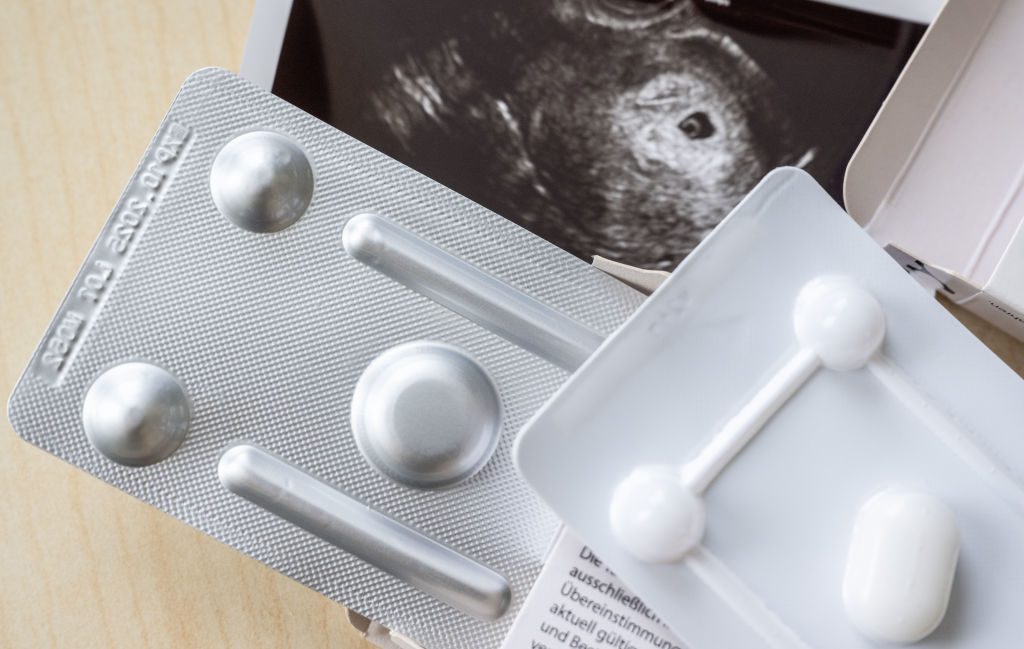



Every year in this country, nearly one million babies are aborted. This is a heartbreaking reality in itself, but there is more. For every aborted baby, there is a woman who has been subjected to a horrific act of violence that harms her.
Those of us who are pro-life should be concerned about the wellbeing of women who seek abortion, as well as their unborn babies. We do not have to agree with their decision in order to help them survive it—it is an act of neighbor love. When Jesus told the story of the Good Samaritan, he didn’t say what kind of man had been left for dead. He was simply making the point that his disciples should seek the wellbeing of others, and this applies to women seeking abortions. We can, and should, vigorously oppose abortion on demand, but we should do all we can to help women survive if they make this unwise choice.
Incredibly, the pro-abortion community promotes abortion in the name of women’s reproductive health. They insist that abortion helps women. However, abortion does not benefit women’s health. It harms women physically, emotionally and spiritually. And there is no way to protect women from much of abortion’s harm because it is inherent in the act itself. The best thing a woman can do to avoid the harm of abortion is to choose life for her baby. But for those who choose abortion, some harm can be prevented and some mitigated by commonsense regulations.
Texas law seeks to protect women
Texas sought to reduce the harm of abortion to women by requiring abortion clinics and their staff to meet a few basic health and safety standards. The state required abortion doctors to have admitting privileges at a local hospital. Surprisingly, not all of them do. This requirement improves women’s chances of surviving if complications arise from an abortion. In 2009, at least 12 women died as a result of complications from a legal abortion. No doubt, thousands of others came near to death. Planned Parenthood has even conceded that at least 210 women in Texas annually must be hospitalized after seeking an abortion. Stories abound of women being dumped at hospital emergency rooms because of abortions gone awry. Women have had their uteruses punctured, their intestines torn and suffered in countless ways as a result of abortions performed in unsafe, yet legal, environments by people without proper training or adequate emergency precautions. These are the kinds of things we were told would end when abortion became legal.
Texas also required the facilities where abortions are performed to meet certain ambulatory surgical center requirements. Staff at abortion clinics must be trained in sterilization of instruments, abortion devices must be clean and free of rust, sterile supplies must not be outdated, staff must be trained in CPR, and appropriate emergency medicine must be immediately available. You would think anyone performing abortions would be doing these things already, but some abortion clinics in Texas have been cited for failing to meet these basic standards of responsible health care.
Many abortion advocates do not want to be held to these standards as they destroy millions of babies and devastate the lives of women. They claim such requirements place inappropriate hurdles in the way of women seeking abortion. They have taken their opposition to the Texas law all the way to the U.S. Supreme Court—Whole Woman’s Health v. Hellerstedt.
The ERLC supports Texas law at the Supreme Court
The Ethics & Religious Liberty Commission believes the Texas law is entirely appropriate. We are working for the day when convenience abortion is illegal and every abortion mill is shuttered, but while it remains legal, some basic measures should be required. We joined with other faith groups recently in submitting a brief to the U.S. Supreme Court in support of the law. In our brief, we argue the law will help protect women. Requiring abortionists to have hospital admitting privileges will lead to greater continuity of care in the case of complications, increase quality of care and reduce the risks of complications. Additionally, rooms with sterile, functioning, well-maintained equipment and trained staff will help ensure a safer environment for women.
Abortion is about as serious as it gets. Not only is an innocent human being killed without mercy, but the mother is at risk of devastating complications, including death. Some people believe women deserve whatever happens to them if they have an abortion. I understand this reaction. I just don’t think it is a Christian response. The Supreme Court should uphold the Texas law. It’s distressing that abortion will still be legal if it does, but at least it will help ensure the safety and wellbeing of women who, along with their babies, are created in the image of God.