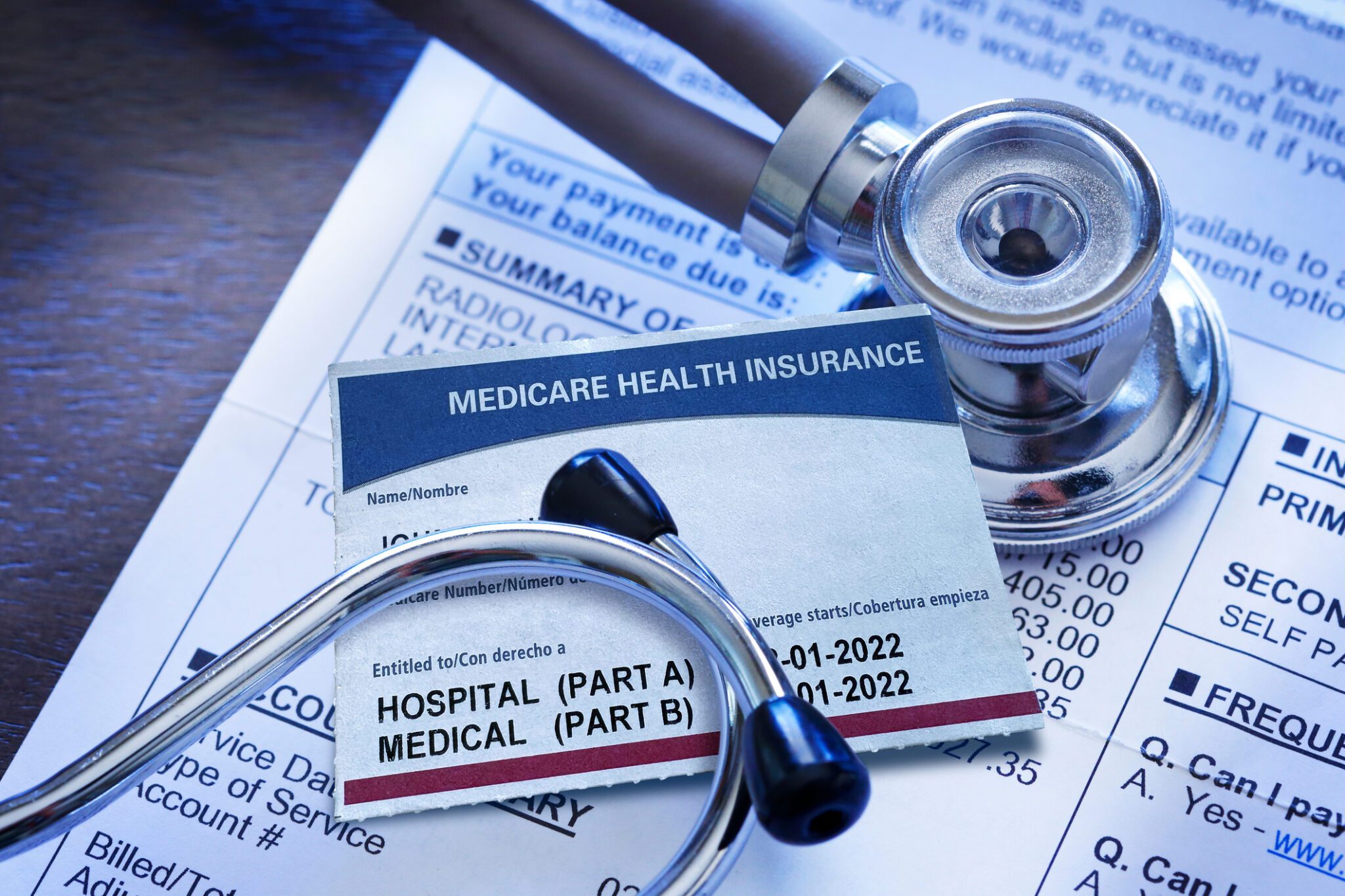
Chemical abortion, or what many refer to as the abortion pill is now the most common method of ending a pregnancy in the United States. Yet the legal landscape surrounding its approval, safety standards, and reporting requirements is riddled with gaps, inconsistencies, and misconceptions. The medical realities behind how these drugs work—and what happens when they don’t—are rarely discussed honestly, leading many women down a dangerous road that can result in life-threatening issues.
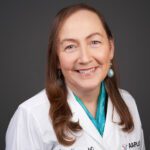
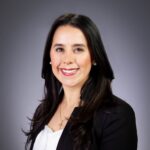
On this episode of the ERLC Podcast, Rachel Wiles, deputy chief of staff at the ERLC and director of the Psalm 139 Project, talks with Dr. Donna Harrison, director of research for the American Association of Pro-Life Obstetricians and Gynecologists, and Erica O’Connell, legal counsel for Alliance Defending Freedom’s Center for Public Policy.
They’ll help Southern Baptists better understand what’s at stake surrounding chemical abortion. Together, they’ll unpack the safety concerns tied to abortion pills, the myths that continue to circulate, and the ways coercion quietly shapes far too many women’s decisions about terminating life in the womb. They’all also discuss the legal landscape since Roe v. Wade was overturned and how the church can care for women, defend the vulnerable, and pursue a future where every life is protected and cherished.
Now let’s turn to Rachel Wiles’ conversation with Dr. Donna Harrison and Erica O’Connell.
Episode Transcript: A pro-life response to chemical abortion
Welcome to the ERLC Podcast, where our goal is to help you think biblically about today’s cultural issues. I’m Lindsay Nicolet, and today we’re talking about chemical abortion.
Chemical abortion, or what many refer to as the abortion pill is now the most common method of ending a pregnancy in the United States. Yet the legal landscape surrounding its approval safety standards and reporting requirements is riddled with gaps in consistencies and misconceptions. The medical realities behind how these drugs work and what happens when they don’t are rarely discussed, honestly, leading many women down a dangerous road that can result in life-threatening issues. On this episode of the ERLC podcast, Rachel Wiles, deputy Chief of staff at the ERLC and director of the Psalm 1 39 project talks with Dr. Donna Harrison, director of Research for the American Association of Pro-Life Obstetricians and Gynecologists, and Erica O’Connell, legal counsel for Alliance Defending Freedom’s Center for Public Policy. They’ll help Southern Baptists better understand what’s at stake surrounding chemical abortion. Together they’ll impact the safety concerns tied to abortion pills, the myths that continue to circulate and the ways coercion quietly shapes far too many women’s decisions about terminating life in the womb. They’ll also discuss the legal landscape since Roe v. Wade was overturned and how the Church can care for women, defend the vulnerable and pursue a future where every life is protected and cherished. Now let’s turn to Rachel Wiles’ conversation with Dr. Donna Harrison and Erica O’Connell.
Rachel Wiles:
Alright, Well, Dr. Harrison, thank you so much for joining us on the ERLC Podcast. I loved getting to talk with you when we were both up at the March for Life back in January. Just learned so much from your background and your expertise and would love to share that with our ERLC Podcast listeners. So thanks for joining us.
Donna Harrison:
Thanks for asking me, Rachel. And it was a pleasure to meet you at the March.
Rachel Wiles:
Absolutely. Well, let’s get started. Can you just tell us a little bit about the organization that you represent, the American Association of Pro-Life Obstetricians and Gynecologists, and then what your role is there?
Donna Harrison:
So the American Association of Pro-Life Obstetricians and Gynecologists is an organization of about 8,000 medical professionals from across the country who value both the life of the mother and the life of the human being in her womb. So we take care of both of them as obstetricians and gynecologists should take care of both of them. Historically, AAPLOG has been at the forefront of educating our members to be able to articulate an evidence-based defense for both the pregnant mom patient and the human being in her home. If you wanna know more about us, go to American Association of Pro-life, OBGYN, so just A-A-P-L-O g.org. I’m the previous CEO of AAPLOG, but I’m the current director of Research for AAPLOG. And so what I do is I help with the whole committee looking at the medical literature and compiling information that we put into practice guidelines and committee opinions. So if you look at the AAPLOG website, you’ll see resources. And under resources is a tab that leads you to practice guidelines or committee opinions. This is excellent information and we work very hard to make sure that it is completely accurate. So it’s a wonderful resource if you’re looking for more in-depth information about any kind of pro-life topic that would affect medical professionals.
Rachel Wiles:
That’s wonderful. So we’re talking about chemical abortion pills today, and I think you have spent a good bit of your life doing research on these, you know this really well. But for those of us who may not be as familiar, can you explain how chemical abortion works? Just give us the lay of the land there.
Donna Harrison:
So when a woman becomes pregnant, her body produces a hormone called progesterone. “Pro,” meaning “for,” “gest,” is pregnancy, and “ero” is a steroid hormone. So it’s the steroid hormone that lets her body carry the baby because a woman’s body changes to be able to carry a baby when she’s pregnant. The abortion drug blocks the effects of progesterone. So it’s kind of like if you have a key that almost fits into a lock, but not quite. You put it in, it jams the lock, so you can’t open the lock. The good news is, though, this is reversible. So you pull the key out, and you put the real key in and the actions happen. So we know that mifepristone will block those actions of progesterone and that will result in starving the baby. But even though the baby may die just from the mifespristone, the woman may not expel that baby.
So there’s a second drug that’s given called misoprostol or cytotec. That drug is given to cause the uterus to strongly contract and push out the baby in the placenta. And how well that works depends on how far along in pregnancy she is. So if she’s very, very early in pregnancy, maybe two weeks after she misses her period, most of the time it works like 95% of the time. However, if she’s a month further along or two months further along, you go from 99% of the time working to a third of these women having to have surgical completion and sometimes for hemorrhage and other problems. So as the pregnancy progresses, mifepristone is less and less effective at killing the baby and causing the woman to squeeze out all of the baby in the place.
Rachel Wiles:
So the gestational age is really important, but what are some other things that, as her life or just doctors in general, what are some standard things you would look for in early pregnancy and complications that could happen if someone takes mifepristone and isn’t aware of exactly what’s happening with her pregnancy?
Donna Harrison:
I’m really glad you asked that question, Rachel, ’cause that’s the situation right now. Mifepristone is available willy-nilly over the internet, and a woman may not know how far along she is in pregnancy. So there’s really no way that she can know what her risks are without knowing exactly how far along she is. And that requires an ultrasound. We know that because half of women that come into an OB-GYN’s office pregnant will have their due dates changed because how far along they thought they were, they’re off by a month or so. So it’s important that women especially know if they’re off on their due dates and they haven’t had an ultrasound, they really have no idea what their risk is. And their risk could be as high as 1 out of 3 women ending up in the ER depending on how far along they are.
So gestational age. But there’s another important thing that is extremely risky for women. We know that 3% of women in general across the country will have the baby implant in their tube and not implant in their womb. If a baby implants in the tube, that’s called an ectopic pregnancy. And if that happens and the woman takes mifepristone, then the baby will not stop growing. The baby will continue to grow in the tube because mifepristone’s actions work in the womb but not the tube. So the baby continues to grow and then she’ll experience pain and bleeding. Well, what are the complications? What normally happens with a mifepristone abortion, pain and bleeding. So when she experiences this terrible pain and bleeding and calls the abortion provider, if there’s even an abortion provider to call, she’ll be told, “I mean, that’s a normal part of a mifepristone abortion. Lay down and take some Tylenol.”
And we have had women we know that have died because their ectopic pregnancy ruptured, they hemorrhaged to death inside. And this was supposed to be just a normal part of a mifopristone abortion. It’s not. So it’s extremely important that women have an ultrasound to know where the baby is and how far along they are. And that’s regardless of whether you care about the life of the human being in the womb or not. That’s just good common medical sense. If an OB-GYN in any other situation would implement an intervention like giving mifepristone without making a diagnosis, that’s malpractice. That’s write the check malpractice. So what we have right now with the abortion industry is write the check malpractice for women because they’re not being given a diagnosis of exactly where the baby is or how far along she is, and they’re not given informed consent.
Now what does that mean? Before you implement a treatment of any kind, you are obligated as a physician or any medical professional to tell a woman what the treatment is, what her diagnosis is, what her complications are, what her alternatives are, and what her risks are. If you can’t tell a woman those things, then she has not consented to that procedure. So what we have is women getting no informed consent, getting this drug over the internet being lied to by saying things like, oh, it’s safer than Tylenol, which is a complete lie. There’s never been a study comparing the safety of mifepristone and the safety of Tylenol. You can’t do that kind of a study. So we’ve got women who have a treatment without being given any kind of informed consent. And that’s just wrong regardless. Like I said, whether you care about the human being in the womb or not, this is wrong for women.
Women deserve better than this for medical care. There’s one other big issue, and that is if a woman has an RH negative blood type, so like O negative or B negative, she is supposed to get a certain medicine every time she’s separated from her baby by miscarriage, abortion, and that’s called RhoGAM. And RhoGAM prevents her body from reacting to the baby’s blood cells, which circulate her body, and having her form an immune reaction if that immune reaction happens and she’s at high risk of losing the next baby who maybe she wants because she’ll, her body will have an immune rejection to that baby. It’s called RH alloimmunization or isoimmunization. So it is important. And with miscarriage and with birth, we give RH negative women RhoGAM. With abortion, they’re not getting it. So when you’re gonna see within the next five to 10 years an increase in isoimmunization, and that can be deadly to the next child, none of these pieces of information are being given to women before they take mifepristone, especially if they’re taking it through the internet, which a lot of women are.
Rachel Wiles:
Yeah. So it’s not just the short-term complications, it’s even these longer-term complications. And because there’s no in-person dispensing requirement, there’s no ultrasound, there’s rates of complication, it’s really frightening how much can go wrong. So I think about a lot of our audience is real involved in ministry. So I think about that woman who may be at home and maybe no one even knows that she’s pregnant, no one knows she’s taking this pill, and that she’s frightened and scared. And talk about a little bit about what that looks like at home even, especially if she’s wrong about her gestational age, even from a mental health standpoint. What does that look like?
Donna Harrison:
Yeah, Rachel, you, you have hit on something that’s really important. Having a mifepristone abortion is different than a surgical abortion. So the woman goes home, she doesn’t know how far along she is, and we’ve actually seen cases where women thought they were maybe a month long and they were six months along. So the baby, they delivered into the toilet fully formed. And it’s different because especially if she’s alone, she sees what is not a lump of tissue. What she sees is a baby. And it’s undeniable. And I’ve been told by pregnancy care center directors across the country that they’re getting phone calls from women saying, “I have this baby in my hands. What am I supposed to do?” And what they’ve been told is, “Don’t look at, flush.” Well, that’s, that’s not empowerment, that’s denial. And many of these women don’t know what to do with the little baby that they undeniably see.
So the mental health complications are much different than if you go in and you can say, “Well, the surgeon did this to me.” This is one where she undeniably has been the one who caused the separation of the baby. Now, when I say that there’s something else that I didn’t touch on that has to do with mental health, and that’s coercion. A large number of abortions are actually coerced. Now this, because the most important factor in a woman’s decision to have an abortion is actually the father of the baby. 30 to 50% of women say was the father of the baby that actually decided what I going to do or had the biggest influence over my decision. So when you have coercion and you have no one, no one there to doctor, no one there to screen, no, women are really vulnerable. They’re vulnerable to this.
And even if they didn’t self-administer, the internet availability makes it possible for their jealous rival to administer or their boyfriend who doesn’t want this baby to administer. I mean, we’ve seen court cases like that all over the country of men who have administered mifepristone surreptitiously into their girlfriend’s smoothie or other places. So the coercion aspect is really horrible, the possibility with this. And then if you really want to think about the bad part of internet availability, some of these websites give a discount, a bulk discount for mifeprex. Who would want a bulk discount for mifeprex except a pimp and an abuser? I mean, look at the way in which women are victimized by the current availability that struck it’s, it’s horrible, like you said.
Rachel Wiles:
Yeah, absolutely. So as we look forward, we know that so many, I mean I think the statistics are 60% plus of abortions are happening through chemical abortions, and it’s hard to get a solid number there because they don’t have to be reported. But what are the next steps from a medical perspective to better protect women and pre-born children as we work on this new front, this prevalence of abortion pills?
Donna Harrison:
Well, the first and very low-hanging fruit is simple. The FDA needs to protect women by implementing just the very minimal safeguards that were in place when this drug was first approved. That is, she has to have a visit to make a diagnosis and know where the baby is and how far along the baby is. That’s simple. The FDA could do that with the stroke of a pen, and why they don’t is a mystery to me. So I think, you know, maybe the FDA needs to hear from those of most common people who are affected by their decisions. There needs to be at least that in-person requirement and their pre-ultrasound at the very minimum. Like I said, this is something that should be obvious to pro-choice and pro-life people. And I personally think that there shouldn’t be a drug approved by the FDA whose sole purpose is to end the life of another human being.
Abortion’s not medical care, it’s not healthcare. It cures no disease. Pregnancy’s not a disease. Pregnancy’s a normal part of functioning woman in her life. So why are we calling pregnancy a disease? And here you have a drug that has no other purpose than to end the life of a human being when it’s used for abortion. So I think that the FDA needs to rescind the approval altogether. And I think we need to be talking about this in our churches. You know, one of the things that came up in a survey that APLOG did a while ago with women who had had an abortion is they asked them, “When did you make the decision from the time of diagnosis of pregnancy to the time of decision?” What do you think? It’s 24 hours. And from the time of diagnosis to the time of implementing the abortion, performing the abortion, it’s seven days. She’s gonna be at church once.
Who is she gonna talk to? Our churches are just not prepared to talk about this issue and face this issue and what they need. In my humble opinion, what I think needs to happen is that every single church needs to have a woman, and I’m sorry, this would be a tough thing for every male pastor. They need to have a woman identified in the congregation who is fully versed in complete confidentiality, and who’s somebody who’s experiencing a surprise pregnancy that they don’t want can talk to. And that woman needs to be equipped to share the joy of having a baby, to share the joy of being there with this girl, this woman, ’cause can be any age and walking with her and committing. And so the churches need to commit to walk with the women that are in these situations. And there’s something else that really has to happen, and I sort of touched on it before half of the abortions are decided because of the opinion of the father of the baby.
You know what we need to get back to calling our brothers and sisters to accountability. If you are being bodily intimate with somebody, then expect that a pregnancy is gonna happen. If you’re not prepared for a pregnancy, don’t be bodily intimate. I know it sounds simple and I know, believe me, I’m married, I’ve got daughters. I know the complexities of interpersonal relationships. But there’s also a place for us as believers to say we’re gonna trust that not engaging in bodily intimacy before marriage is a good thing. Even if it’s hard, you know, Christianity, it’s for people who are really laying down their life in the same way that God laid down his life for us. So I think those two things need to happen within the churches. And then I don’t have the answer to how to implement that. That’s for you guys to figure out. But I think I can see the need for that. Please keep APLOG in your prayers because the docs who are speaking out and defending both the pregnant mother and the human being are under tremendous amounts of pressure, both from the outside and even from within the medical profession. And it’s not because we’re not doing good science, it’s because we are doing good science and we’re speaking out the truth. And so we need that protection. We’re certainly not fighting against flesh and blood.
Rachel Wiles:
Well Erica, thanks so much for joining us. It’s so good to see you again. We had the opportunity to speak a little bit at the March for Life. We had a conversation related to these issues. So it’s so good to see you again. And I know that meant so much to the people there. So we wanted your expertise and your experience to, be shared with our wider audience. So thanks so much for joining us. Can you share just a little bit about yourself and your work at Alliance Defending Freedom?
Erica O’Connell:
Absolutely. Thank you so much for having me on today. It’s a pleasure to be talking with your wider audiences about this really important issue. My name’s Eric O’Connell, I’m based in our Washington, D.C., office, and I’ve been a member of the team at Alliance Defending Freedom for four years, working on protecting life from conception to natural death.
Rachel Wiles:
That’s great. Well thank you so much. We appreciate all the work that you do and the work that Alliance Defending Freedom does. So today we’re talking about chemical abortion pills. There’s a lot of conversations out there and we wanna kind of cut through some of that noise and, and just say like, this is what’s happening right now. So what legal concerns exist right now regarding the safety standards and reporting requirements tied to abortion pills? I think sometimes that can get mixed up in legalese, but if you can kind of lay it out there and so we can understand exactly what’s happening.
Erica O’Connell:
Absolutely. Let me give you the landscape. So when we think about abortions, traditionally many people think about the surgical abortion procedure, but in the early 2000s, the FDA approved chemical abortion pill that completes an abortion without a surgical procedure. These pills came on the market with some pretty significant safety measures. And over the years, those safety measures have eroded. Most recently in 2023, right after Dobbs returned the issue of abortion to the states, the Biden administration directed its agencies to make abortion as widely available as possible, including through the mail. And so the Biden FDA permanently removed the prior requirement for these drugs to have to be dispensed to a woman in person by her doctor, and instead made abortion drugs available through the mail. And in a way that directly was designed to flout pro-life laws in the states that were enacted post jobs. So this terrible reality is that, you know, more than 60% of abortions in the United States are caused by these chemical abortion drugs. And these high risk drugs put 1 in 25 women in the emergency room per the FDA’s own label.
Rachel Wiles:
Yeah, those numbers are just staggering. So explain to us how this works. So I’m here in Tennessee where abortion is not legal, but even though it’s not legal, how could someone take a chemical abortion pill here and still have an abortion?
Erica O’Connell:
Yeah, so with this mail order abortion scheme, it’s really undermined the pro-life laws, the strong laws that we saw many states like Tennessee enact after Dobbs, a lot of states passed total protections for life. And in certain states they passed, you know, protections from when a fetal heartbeat can be detected. But the reality is the fact that these abortion pills can be mailed. And now many blue states enacted what we call shield laws, which insulate abortion providers in Democratic states who are mailing abortion pills into states like Tennessee, into states like Louisiana and Texas that have enacted to protect their citizens, protecting women from the harm of chemical abortion, but also protecting the lives of unborn children. And without that in-person visit, we have these drugs able to be widely available, but it’s so dangerous for women because these abortion providers that are sending pills from New York or California, they’re not screening women for an ectopic pregnancy, which can be life threatening if a woman doesn’t know she has an ectopic pregnancy and is taking these pills. They’re not screening for other contraindications like incompatibility of blood types. And they can’t determine how far along a woman is in her pregnancy. They don’t even know if it’s a pregnant woman that is requesting the pills. And we can really get into that, and I’d love to talk more about that in our time together today. But with just a few clicks on the internet, these pills can be available to an estranged husband, an abuser, a trafficker, any number of people who can take advantage of a vulnerable woman.
Rachel Wiles:
That’s such a good point. I work with pregnancy centers through our work in the Psalm 139 Project and the stories that they’re hearing on the ground of just some loose pills being in a padded envelope and there not being any dosing instructions, they’re not even sure exactly what it is, and there’s not any regulation. And that’s frightening. And we spoke with APLOG earlier and they talk about that’s medical malpractice in any other situation. And so it’s really frightening. So talk a little bit about some of those. When we talk about the harm it causes to women, but specifically like coercion and how these pills could be used for nefarious means. What have you guys seen related to that?
Erica O’Connell:
There’s so many stories related to coercion. I’ll tell you that most women feel pressured, some sort of pressure or coercion to have an abortion. Over 60% of women say that if they had more financial support or relational support that they would choose to parent. So that is just the sad reality is the women that are choosing abortion, it’s not necessarily because they want to, but they’re feeling some kind of external pressure. And abortion by mail exacerbates that, opening up women to new dangers of coercion. So for example, Catherine Herring, a woman in Texas, was poisoned by her husband of 11 years over and over again. He obtained abortion pills and crushed them up and put them in her drinks. Thankfully her baby survived and she caught onto his pattern before he was able to successfully, you know, force her to take enough of this pill. And so her baby survived and he was ultimately prosecuted for this heinous crime, but he never should have been able to access these pills in the first place.
And in Louisiana, another sad story was a case of a young girl who found herself pregnant and she was planning her gender reveal party, but her mother threatened to kick her out of the house if she didn’t have an abortion. And so her mother went online and obtained abortion drugs from Dr. Margaret Carpenter in New York, who is notorious for flagrantly violating pro-life state laws and mailing pills into states that have protected life. So this doctor, the attorney general of New York is completely insulating her and protecting her from any accountability or prosecution for her crimes. But this mother in Louisiana obtained the drugs from Dr. Carpenter, forced her daughter to take them, and then her daughter experienced complications and was rushed to the emergency room, this young girl who didn’t want to take these drugs in the first place. And there has been data that there is a 300% increase in hospitalizations under the mail-order abortion scheme because, you know, it’s just so important to have that in-person assessment by the doctor for so many reasons, and it can lead to rampant misuse of how the drug was intended. Not to mention those inherent dangers that the FDA recognizes itself on the label.
Rachel Wiles:
Yeah, absolutely. So I know you guys at ADF and here at the ERLC, we were thrilled when the Dobbs decision came down. That’s, uh, something, you know, the pro-life movement has been fighting for, for nearly 50 years, but now it’s a different reality, right? Abortions are still continuing and now it’s a state-by-state fight for life. So talk to us a little bit about what ADF does both at the federal level, at the state level, and then some of our listeners may not know you guys kind of had a role to play in the Dobbs decision itself. So anything you wanna share on that would be great.
Erica O’Connell:
Yes, absolutely. So we were honored to work alongside Mississippi’s legal team in the Dobbs case. And initially we worked behind the scenes with lawmakers in Mississippi to craft that 15-week law that ultimately toppled the Roe regime. So it was a process, a very strategic process for passing a law that could potentially, you know, get up to the Supreme Court for review. And it was just such historic victory that we’re still celebrating today. But as you say, there has been, you know, a brand new landscape ushered in after the Dobbs decision. So on the one hand we saw, you know, a lot of red states passing life-affirming laws, protecting life. They’re able to do this for the first time in 50 years. But on the other side, a lot of states were specifically targeting pregnancy resource centers, those who are trying to come alongside women and support women, we saw unprecedented violent attacks and firebombings and, you know, defacing of pro-life pregnancy centers.
So ADF has really been working in these years since Dobbs. We’ve supported states passing pro-life legislation and we’ve defended those laws in court. We’ve also been working to protect pregnancy centers that have been subject to these increasing attacks since Dobbs. And specifically a lot of our cases and some legislation that we’ve been working on in the states is to protect pregnancy resource centers from political attacks, from intimidation and harassment by pro-abortion democrats or by anti-pregnancy center legislation that’s being introduced in the states that’s trying to censor PRCs, that’s trying to force them to close their doors to the communities they serve that’s trying to stop them from offering women life-saving abortion pill reversal treatment. So we just brought a case to the Supreme Court in defense of pregnancy resource centers. And then we also had a Supreme Court case that the court ruled on last summer in Medina v. Planned Parenthood that allowed states to defund abortion providers like Planned Parenthood. So there’s been, you know, a lot to the legal landscape and it has been shifting, but those are some of the main areas that we’ve been working in, particularly efforts to defund abortion providers and protecting the pregnancy centers that are coming alongside women and providing that crucial community-based support.
Rachel Wiles:
Yeah, that’s so important. And as I talk to pregnancy center directors, one of the reasons that we’ve kind of launched our “Across State Lines” campaign that really seeks to help pregnancy centers in those blue states, those abortion destination states you talk about is oftentimes they’re working in really hostile conditions. People have tried to shut them down. They’re under increased scrutiny, and so coming alongside them, it’s been really a blessing to us. And I’m thankful that you guys at ADF are, um, standing up for those centers as well, making sure they can keep their doors open and keep ministering to those women. So what are the next steps from a legal and legislative perspective to fight for the end of abortion? We know it’s at the state level, there’s still maybe some things to be done at the federal level. So where do we go from here?
Erica O’Connell:
Yeah, I’m excited to talk to you about this, especially this week. So our next legal battle is ADF is representing the state of Louisiana and Rosalie Markazi in a lawsuit against the FDA’s removal of safeguards for the abortion drug mifepristone, specifically the removal of the in-person dispensing requirement. So we were just in court this week on Tuesday in Lafayette, Louisiana, asking the court to reinstate in-person dispensing this is the most important legal battle that’s gonna be playing out over the next few years because of this unlawful dangerous mail-order abortion scheme created by the Biden FDA that is circumventing, you know, state pro-life laws and these unconstitutional shield laws that have been passed in blue states. This battle over the abortion pill is the heart of the fight right now. And you know, sadly in Louisiana that enacted strong pro-life laws right after Dobbs, there are actually more abortions in Louisiana now than there were before the Dobbs decision came out, which is just baffling when you think of what a historic victory the overturning of Roe v. Wade was.
But the sad reality is, I don’t think anybody could have imagined that we’d be in this place where there’s more abortions now. There are up to like a thousand abortion pills per month being flooded into the state of Louisiana, and it’s happening in other pro-life states. And in that case specifically we represent Rosalie Maric, who was a young woman in Louisiana. She became pregnant and made plans to raise her baby, but her boyfriend went online and obtained abortion drugs from a doctor in California. Neither Rosalie nor her boyfriend ever saw this doctor or never spoke to this doctor, but with a few clicks, he was able to obtain drugs and get them mailed from California into Louisiana. He forced her to take them while they were driving in the car, in a moving car, and she tried to throw up the pills as soon as she was able to, but she wasn’t able to save the life of her baby.
And now she suffers from that terrible trauma of having lost her wanted child. And that never should have happened, and it wouldn’t have happened if the FDA hadn’t removed this requirement to have this in-person visit. Doctors are supposed to screen women for coercion. Doctors are supposed to ensure that women have informed consent before receiving any medical procedure. So this dangerous, unlawful abortion-by-mail regimen by the Biden FDA is, as we argue in the lawsuit, arbitrary and capricious. It never should have happened. And the FDA knows that what it did is unlawful. The FDA relied on inadequate studies, it relied on nefarious data that they themselves have admitted could not be used to estimate the frequency of adverse events. And years ago, FDA removed any requirement for reporting of adverse events that don’t result in death. So all these routine complications that women are going to the emergency rooms, the FDA said, “We don’t wanna hear about it.”
And now they use that years later to justify the fact that these pills are safe and effective. And I wanna just talk about that for one second because that is one of the biggest misconceptions we see about the abortion pills. You will hear repeatedly from the pro-abortion media that these pills are as safe as taking Tylenol, but it couldn’t be further from the truth. I’ll tell you one story of Elizabeth Gillette, who, she came to our rally at the Supreme Court when we heard the FDA case several years ago. And she described her experience taking abortion pills. She said, “I had no idea that I would see my baby, that I would see the eyes, that I would see the fingers.” She was told that she was going to have a heavy period and some clotting. So women are completely unprepared for the experience, for the fact that they are going to go through labor, gonna experience labor like contractions, they are going to deliver a child.
And Elizabeth said that she was then faced with that question holding her baby, do I flush it down the toilet or do I put it in the trash can? Forcing women to have this experience alone in their bathrooms is not the same as taking a Tylenol. And I just think that this FDA case has really given a platform for women to be able to share this experience of what they’ve gone through with chemical abortion to show the danger of a coerced abortion like in Rosalie’s case. And it’s so important that states like Louisiana and so many others that are trying to protect life, that they’re able to enforce their laws.
Rachel Wiles:
Absolutely. And I know these stories are really difficult to hear, but I think humanizing these stories, these are real people. This is not, you know, a list of statistics. These are real women, these are real families, and they’re really suffering. And so hearing their stories is really important. So as you spoke about coercion, what legal protections exist now, what do you think should exist for women who are pressured into abortion by partners or family members? What recourse do they have?
Erica O’Connell:
Yeah. Well, I think women need the critical resources and support when they find themselves in an unplanned pregnancy. Women need to be empowered to choose life. And the left doesn’t want women to have options. You know, they say that their message is all about giving women choice, but the way they attack pregnancy resource centers that try to give women the choice to parent the way they come after abortion pill reversal, that gives women the choice to change their mind after they’ve started a chemical abortion and potentially save the life of their baby. The way they’ve come after that shows they’re not really about giving women choices and you know, they don’t want them to have any choice if that choice is not an abortion. And so, you know, women need critical protections. That’s one of the reasons that we’re at the Supreme Court arguing on behalf of a pro-life pregnancy center in New Jersey, in the case of First Choice Women’s Resource Center v. Platkin, where the New Jersey attorney general came after the PRC and tried to intimidate and harass them in violation of their First Amendment rights. And so, you know, that’s the kind of support we need to be providing is making sure that PRCs are empowered to do their lifesaving work. And that’s, you know, what ADF is doing is trying to come alongside and protect their ability to do that.
Rachel Wiles:
Yeah, absolutely. I’ve always said that those working in PRCs are on the front line of the ministry, and so we’re so thankful for them and want to support them however we can. So as, as we kind of wrap up this conversation, any closing thoughts about things, pastors, Christian leaders, those listening to this podcast that you’d want them to better understand about where we are, where we’re going, and then how we can pray for this movement going forward and you and your colleagues at ADF?
Erica O’Connell:
Well, to begin with, we know that every life is precious and deserving of protection, deserving of legal protection from the womb. And we need pastors and church leaders to be shepherding their congregations, convicting them of this truth of the dignity and value of unborn life in the womb. And educating about this issue of chemical abortion, women and girls, many women and girls in your churches, they don’t know the truth or the danger of abortion pills. So even just sharing that, 43% of women who get an abortion attend church regularly and 70% claim are Christian religious preference. So that’s a statistic from Focus on the Family. It shows that the people that this is affecting are in the church pews, they are audiences that our church leaders can and need to be reaching. And that this issue is, it’s not a political issue, it’s a moral issue.
It is a battle against evil. It is a battle against life. And churches need to be on the front lines. They’re speaking the truth about life, shedding a light on the evil of abortion and equipping their congregations to care for women in crisis, to open their doors to women who are in need of hope and healing. Women who may be faced with this decision to have an abortion, or maybe women who have already had an abortion, they need a place where they can find hope and healing. Many women who have an abortion, they are repeat, you know, it’s, it’s more likely that a woman would have a second abortion after she’s had a first. So we need to be offering healing for women and also offering that practical support to whether, you know, pregnancy resource centers or any other kinds of resources that churches can offer to accompany women and families and help them to choose life.
And I just wanna encourage you that you are not alone. Here at ADF, we come alongside churches. We have our church and ministry alliance that is there to offer resources, is there to offer guidance for churches. We know that it is such a hard battle to fight. And so you’re not in it alone, we’re we are there with you and we wanna help equip churches to stand up for life and be that voice for the voiceless child in the womb. And to your question about praying for us, I really would love to ask for prayers for our two big ongoing cases. So one for a favorable ruling from the U.S. Supreme Court in First Choice on behalf of that pro-life pregnancy center in New Jersey, that for decades has been doing amazing work serving the community in New Jersey there. And just that they would be, you know, allowed to exercise their First Amendment rights and that that would ensure that pregnancy centers all over the country are free to continue doing their work as well and for victory in this FDA case, which we just argued this week. And this is gonna be a long road ahead, I think, but you know, if we can see the abortion pill out of the mailboxes, stop turning the postal service into an abortion clinic, that would be a huge win. And there’s gonna still be more, more battles ahead, but this would significantly reduce the amount of abortions that are happening, especially in pro-life states.
Narration:
Every human life is a sacred gift from our creator. Psalm 139 verses 13 through 14 reminds us of this truth. “For you formed my inward parts. You knit me together in my mother’s womb. I praise you for I’m fearfully and wonderfully made.” Southern Baptists have long advocated for the protection of the preborn. Let’s continue to do so by walking in truth and coming alongside those who are hurting.
Thank you for listening to this episode of the ERLC Podcast. Join us next time as we talk with Dr. Rashan Frost about infertility and our new church guide on assisted reproductive technologists.