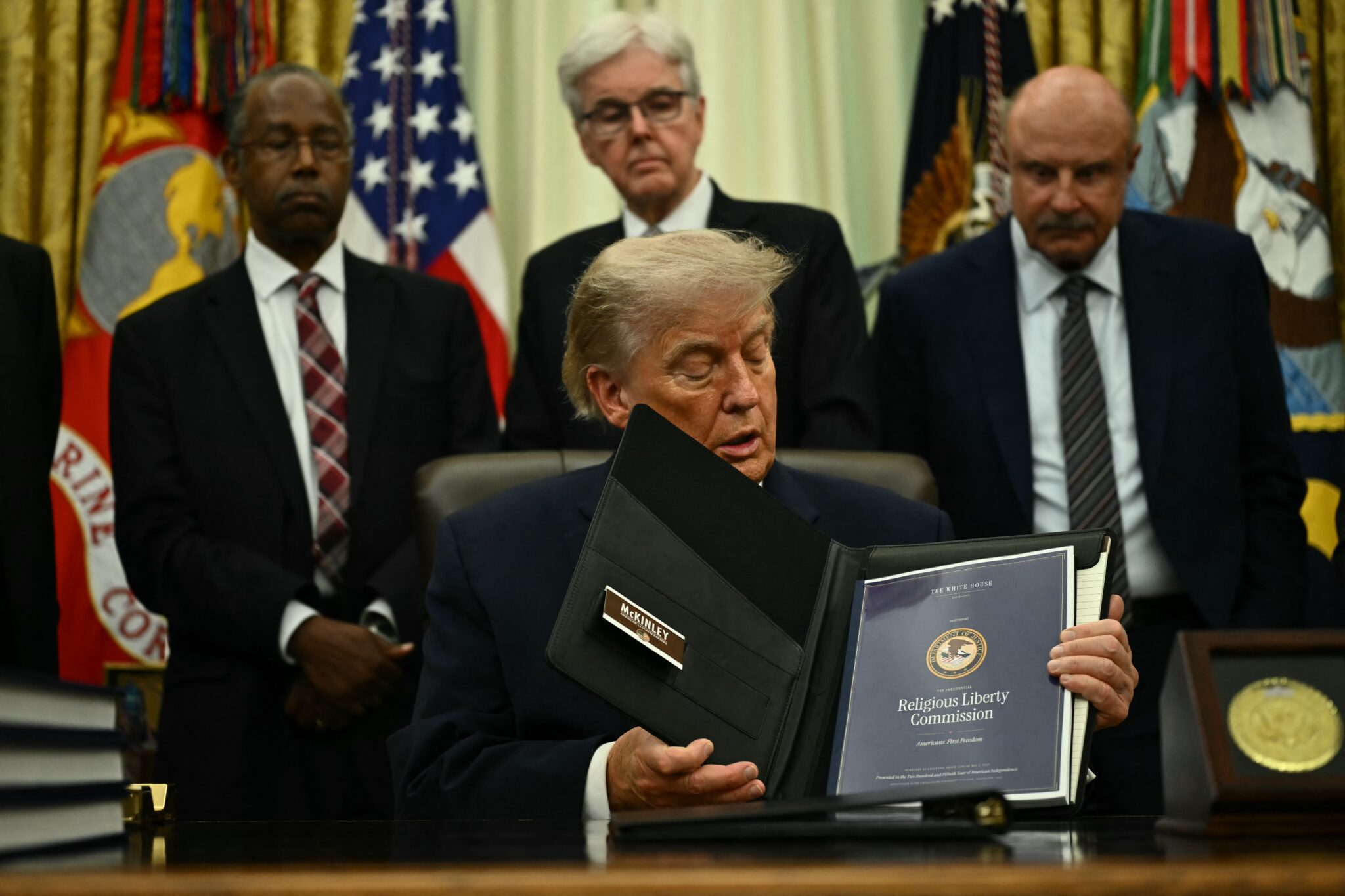




The ERLC submitted public comments in response to the Presidential Religious Liberty Commission Draft Report published on June 26.
Established by President Trump’s executive order in May 2025, the Religious Liberty Commission has held several public hearings over the course of the last year in order to present a report to the president on the condition of religious liberty in America and provide recommendations on policies that can strengthen protections for our first freedom.
The ERLC’s comments commended the Commission for its work and included a detailed analysis of recommendations in the report, while articulating a distinctly Baptist understanding of religious liberty. As the ERLC shared,
“Among our conclusions below, we believe that safeguarding religious liberty requires more than defending legal rights after they have been violated. It requires cultivating a culture that understands why those rights exist in the first place.”
The comments focused on key topics that matter to Southern Baptists, including honoring the Baptist influence on religious liberty, upholding the rights of faith-based adoption and foster care agencies, contending for religious expression on college campuses, rightly recognizing the fundamental role of parents in raising their children, and protecting religious speech and worship.
The ERLC’s comments also pushed back on one key point: the Commission’s draft defined religious liberty as something “allocated” between religion and government. Dr. Lenow argued this framing gets it backward. Drawing on Baptist forebears like John Leland and Isaac Backus, the ERLC contended that religious liberty is a God-given right that government recognizes rather than grants —a distinction with real consequences for how the freedom is protected in law.
Lasting protection for religious liberty depends on more than legal defense. It requires a culture that understands why the freedom matters in the first place.
The comments went on to address a wide range of bills and policy areas, including support for the Equal Campus Access Act, the Families’ Rights and Responsibilities Act, and conscience protections for medical professionals, along with continued concern over the Johnson Amendment’s restrictions on pastors. Throughout, the ERLC pointed back to a consistent conviction: that lasting protection for religious liberty depends on more than legal defense — it requires a culture that understands why the freedom matters in the first place.