Building a culture of life after the overturning of Roe v. Wade
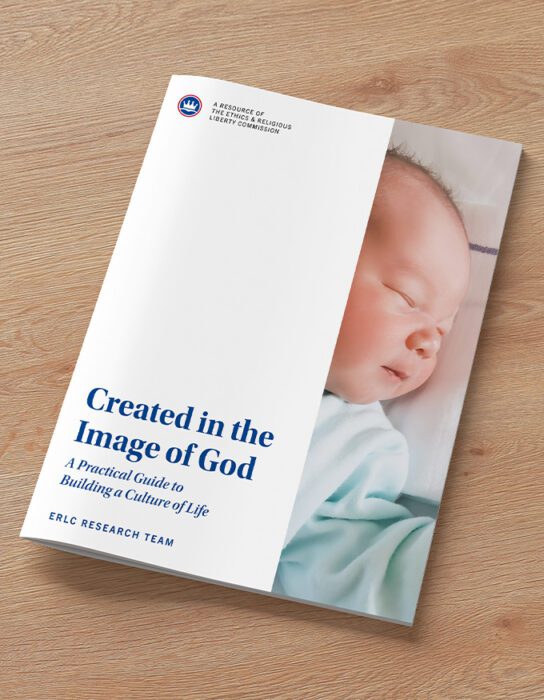
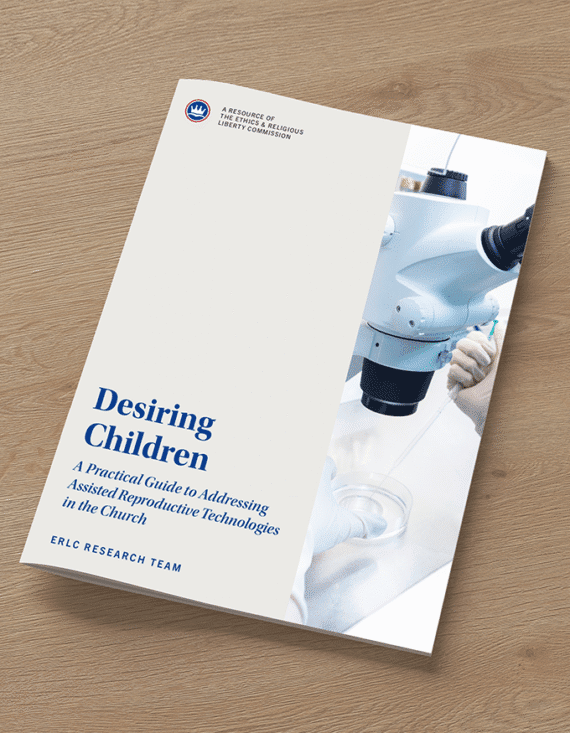
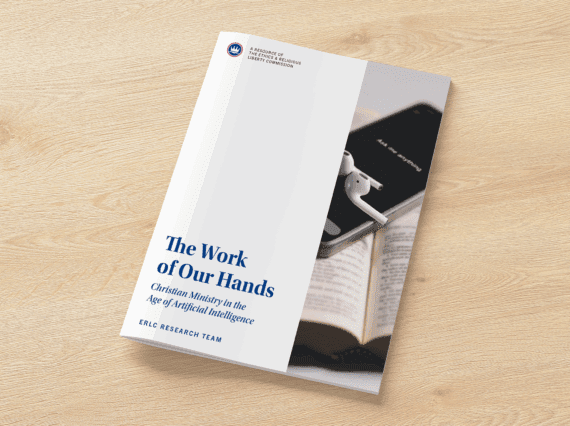
This guide is a resource for pastors and church leaders that includes a theological framework and practical scenarios that will start (or continue) the conversation in your churches about how to build a culture of life.
The effort to overturn Roe v. Wade was a good and necessary generational project, but it cannot be where our activism ends. Beyond banning abortion, we must promote life in a culture that promotes death. A culture that would tell a woman that it is good for her to kill the baby inside her, so that she can achieve her own goals. A culture that treats people as disposable—whether at the beginning or end of life—because they cannot speak for themselves or may be “a burden.”
Building a culture of life, rather than merely opposing a culture of death, is another generational task. It will, like our fight to overturn Roe, seem like an uphill climb. But, like the gospel that works in ways we do not expect and often cannot see, it will have an effect (Matt. 13:33). From small beginnings, comes something previously unimaginable.
Throughout the Roe era, there were countless unknown Christians serving at pregnancy resource centers, ministering to women in their churches, and counseling mothers outside abortion clinics. They were the people who propelled the pro-life movement forward and kept its work alive, even as legislators and lawyers sought to (not always successfully) change laws.
The Church is key for building a culture of life
The Church is the most important institution for changing the culture. Laws are important, but they are not as important as transformed consciences and saved lives. The Bible points us toward what a truly life-affirming culture could be, and the life-transforming power of the gospel gives us hope that it can be.
It is our hope that this guide will help your church continue advancing human dignity. Despite the end of Roe, we have not reached a place where every life is valued and where every mom is supported. That should concern us, because how we view the vulnerable today shapes how we treat others tomorrow.
The fight to protect life is ongoing. It will take an unwavering commitment to see it through. We call others to join us in building a culture that values the “sanctity of all human life from conception to natural death,” whether that takes 10 years or another 50.