


On Feb. 22, 2023, the Department of Education (ED) released a proposed rule related to the free exercise and free speech of faith-based organizations on college campuses. This new rule rescinds two provisions of the 2020 Trump-era “Free Inquiry Rule” which expanded First Amendment freedoms in ED higher education grant programs.
On Friday, the ERLC filed public comments in opposition to the change.
What does this rule do?
The proposed changes from ED weakens protections for faith-based groups on campus and limits their ability to fully participate in student life without compromising their religious beliefs.
The stated intention of this proposed rule is “to rescind regulations related to religious student organizations at certain public institutions of higher education (IHEs) that prescribe a novel role for the Department in enforcing grant conditions related to religious student organizations.” ED claims that the regulations are “not necessary to protect the First Amendment right to free speech and free exercise of religion; have created confusion among institutions; and prescribe an unduly burdensome role for the Department to investigate allegations” of discrimination against religious groups on college campuses.
Despite these claims, ED proposes to rescind two provisions from the 2020 final rule that require all public colleges and universities that are federal grant recipients to comply with the First Amendment. The rule, as enacted in 2020, provides clear protections for these groups, guaranteeing that:
- they are officially recognized by the school administration as an official organization,
- are able to access campus meeting spaces,
- and are able to receive student fee funds like all other groups on campus.
Each of these assurances are critical to a student group’s ability to participate in campus life.
Without official recognition on campus, a group’s ability to meet on campus, reserve meeting space, and advertise their events can be greatly curtailed. If student groups are denied access to the pool of funds reserved for all student groups, they are unable to host events, advertise their meetings, or participate in other campus activities.
Why is this problematic?
Religious groups on campus play an important role in forming students and contributing to campus life. Students’ rights to express their faith and live in congruence with their conscience and faith is a fundamental bedrock of American life and does not end when they cross on to campus property.
Without the clear protections found in the 2020 rule, the rights of students to freely exercise their faith may be eroded by an administration that finds the tenets of a group’s faith as incongruent with the cultural mores of the day. This is especially worrisome for minority groups, whose deeply held religious beliefs may not align with the prevailing beliefs of the secular institution.
Prior to the enactment of the 2020 rule, there was confusion across the country amongst campus administrations as to how and when to uphold the First Amendment in regards to religious groups. Countless groups were denied access to buildings, funds, and status on the very basis of their religious status. For example:
- In 2018, Embry Riddle Aeronautical College denied a religious student group official recognition because of its requirements that its leaders adhere to the tenets of their faith.
- In 2006, the University of Georgia administration denied recognition to a religious student group because of its religious leadership and membership requirements.
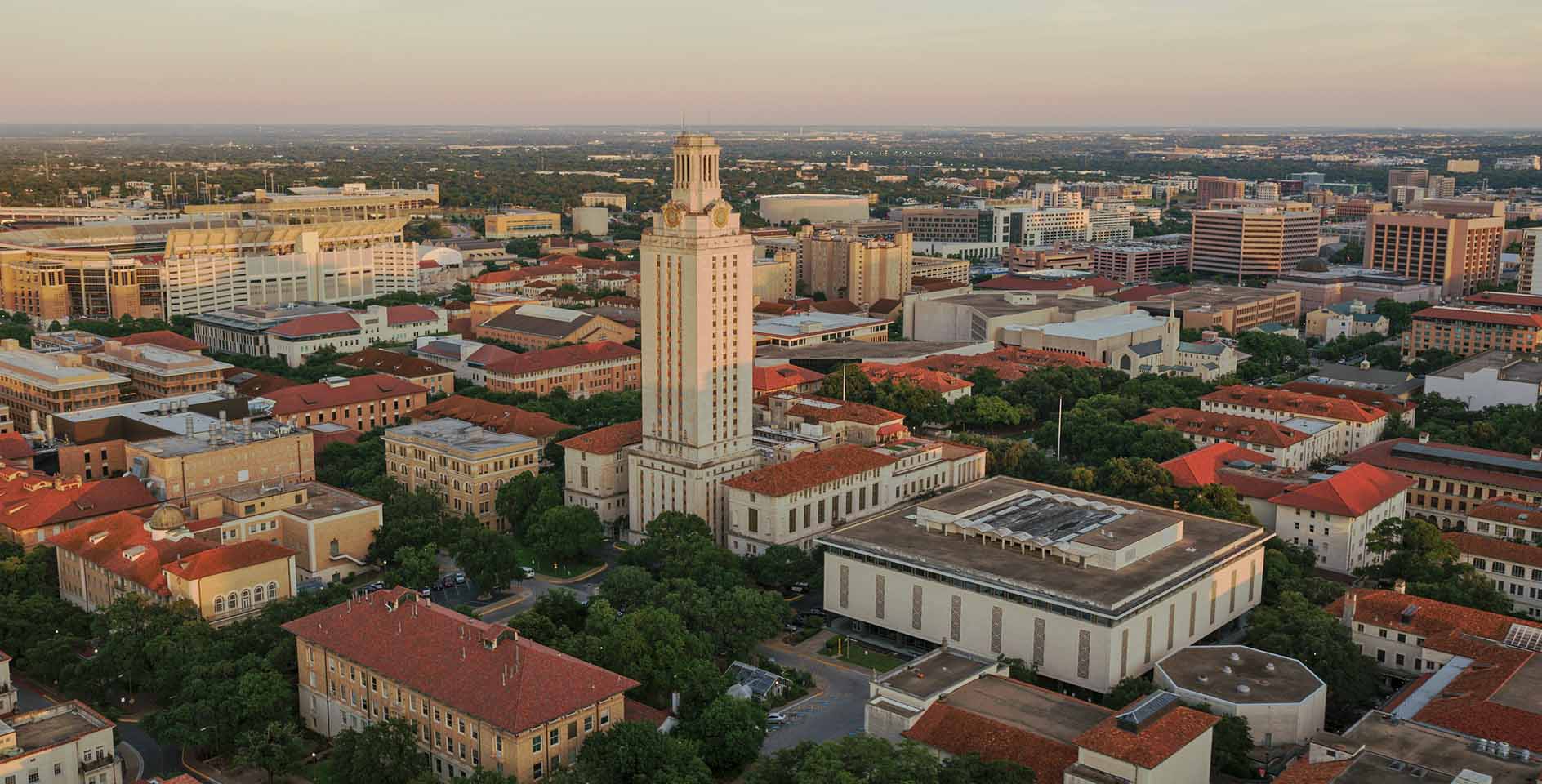
- In 2009, the University of Texas ruled that a religious group would no longer be recognized because it required its members to agree with its religious beliefs.
And these examples only scratch the surface. The Christian Legal Society has compiled a list of hundreds of similar instances of discrimination and First Amendment violations of religious groups on campus across the country.
Without this rule in place, it is likely that more student groups will face similar discrimination, preventing them from contributing to their college campuses without compromising their deeply held beliefs.
How has the ERLC responded?
The ERLC has submitted public comments laying out these concerns with the proposed rule and urging these agencies to reconsider making these changes. Faith-based organizations and students should not be placed under special burdens because of their religious tenets and should be able to freely live out their religious beliefs on campus.
The ERLC will continue to monitor these changes and look for additional opportunities to raise our concerns and advocate for the protection of religious liberty and free speech.