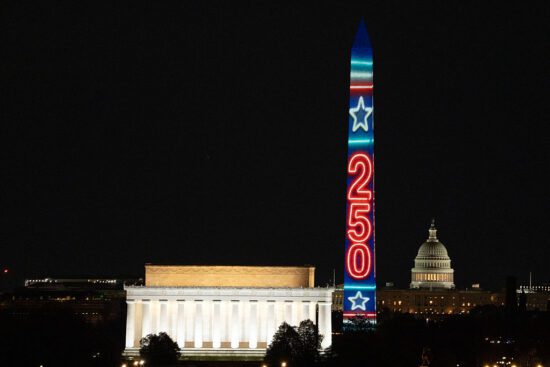



On July 4, 1776, the Second Continental Congress formally adopted the Declaration of Independence. This move signaled the official founding of the United States of America. At the recent 2026 Annual Meeting of the Southern Baptist Convention in Orlando, the Ethics & Religious Liberty Commission encouraged Southern Baptists to use this occasion to consider the past, present, and future of Christian faithfulness in our great nation.
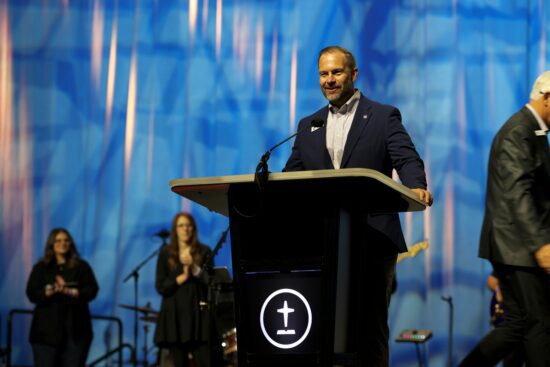
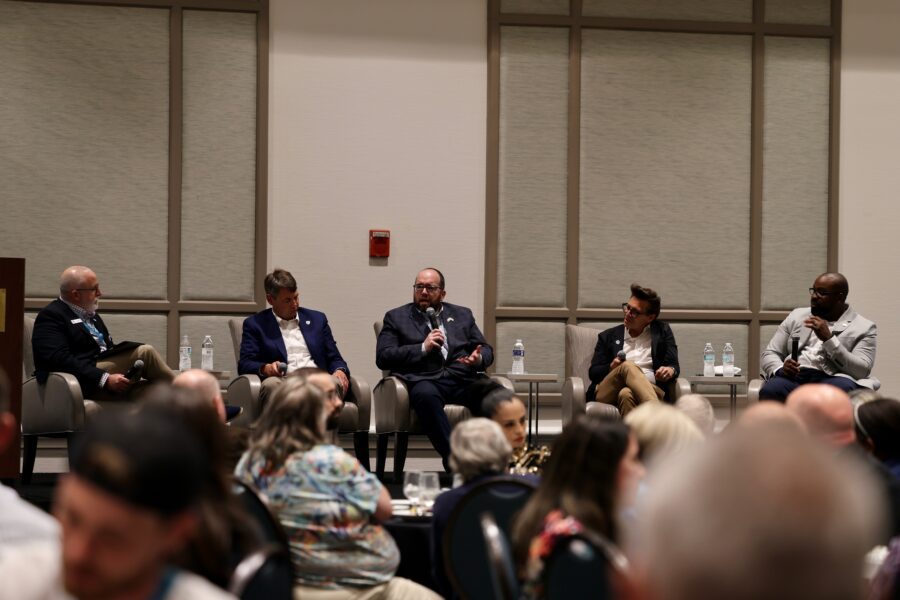
The ERLC debuted a new resource at this year’s meeting titled “One Nation Under God: Reflections on 250 Years of Faith and Democracy,” and hosted an event by the same name on the Monday evening before the start of the annual meeting. In addition to remarks by Gary Hollingsworth, former ERLC interim president, Dr. Evan Lenow, ERLC president, and RaShan Frost, ERLC director of research, a panel discussion took place between Frost, myself, Dan Darling of Southwestern Baptist Theological Seminary, Adam Groza of Gateway Theological Seminary, and Dustin Bruce of Boyce College.
6 takeaways from One Nation Under God
Several themes emerged during the panel, each of which is relevant to pastors and other ministry leaders as we think about being faithful citizens of both God’s Kingdom and the U.S.
1. Baptists have always believed that patriotism is compatible with devout Christian faith.
Bruce shared how nearly all the Baptist pastors during the revolutionary era eventually supported the cause of American independence. All the panelists shared examples of experiences that reminded them of their love for our nation.
2. It is important that our patriotism be rightly ordered.
Darling offered reflections on how love of country should be a natural outflow of our love for God and neighbor, a theme he also wrote about in his 2025 book In Defense of Christian Patriotism. Patriotism isn’t part of our worship, which would be idolatry, but is a component of our discipleship, which is our living out of the Christian life. Believers should not feel like they have to “clear their throat” or offer a dozen caveats before they acknowledge they love their country.
3. This means that forming Christian citizens who embrace a faithful patriotism is a wise part of our discipleship strategy.
Frost especially focused on this topic during the panel. As we disciple believers to be virtuous followers of King Jesus, this should include cultivating the civic virtues that contribute to a flourishing nation. Churches should be intentional in teaching believers what it means to love God and neighbor as citizens of particular nations—in our case, the U.S.
4. Recognizing that we are dual citizens is foundational to the project of forming faithful Christian patriots.
Groza discussed how we are citizens of both God’s kingdom and the U.S., with our loyalty to the former shaping our loyalty to the latter. As such, we have different but complementary obligations we owe to each of those kingdoms. This theme is also addressed extensively in the ERLC church guide “Dual Citizens: A Practical Guide to Christian Citizenship and Civic Engagement.”
5. The panel agreed that an important part of faithful patriotism for Baptists in particular is ongoing advocacy of religious liberty for all people.
Not only is religious liberty the “first freedom” guaranteed in the U.S. Constitution, but it has been an important Baptist distinctive since the beginning of our movement. As we celebrate the 250th anniversary of the U.S., one of the ways we best love our neighbors is by remaining committed to religious liberty for all. As the Baptist Faith and Message (2000) reminds us, “A free church in a free state is the Christian ideal, and this implies the right of free and unhindered access to God on the part of all men, and the right to form and propagate opinions in the sphere of religion without interference by the civil power.”
America has been historically shaped by the Christian tradition
A final theme from the panel is that America is a nation that has historically been profoundly shaped by the Christian tradition, yet has also strayed from those roots and is in desperate need of revival. There will be no lasting civic renewal apart from spiritual awakening. The panelists agreed that two of the most patriotic things believers can do is pray for revival across our land and continue to urgently proclaim the gospel to our unbelieving neighbors.
We should be grateful for the countless ways God has “shed his grace” on our nation during these past 250 years. The U.S. has never been a perfect nation, of course, but there is still so much for which we should be thankful. And as faithful patriots, we should prayerfully seek to be bold witnesses and agents of flourishing, for the glory of God and the good of our nation.