
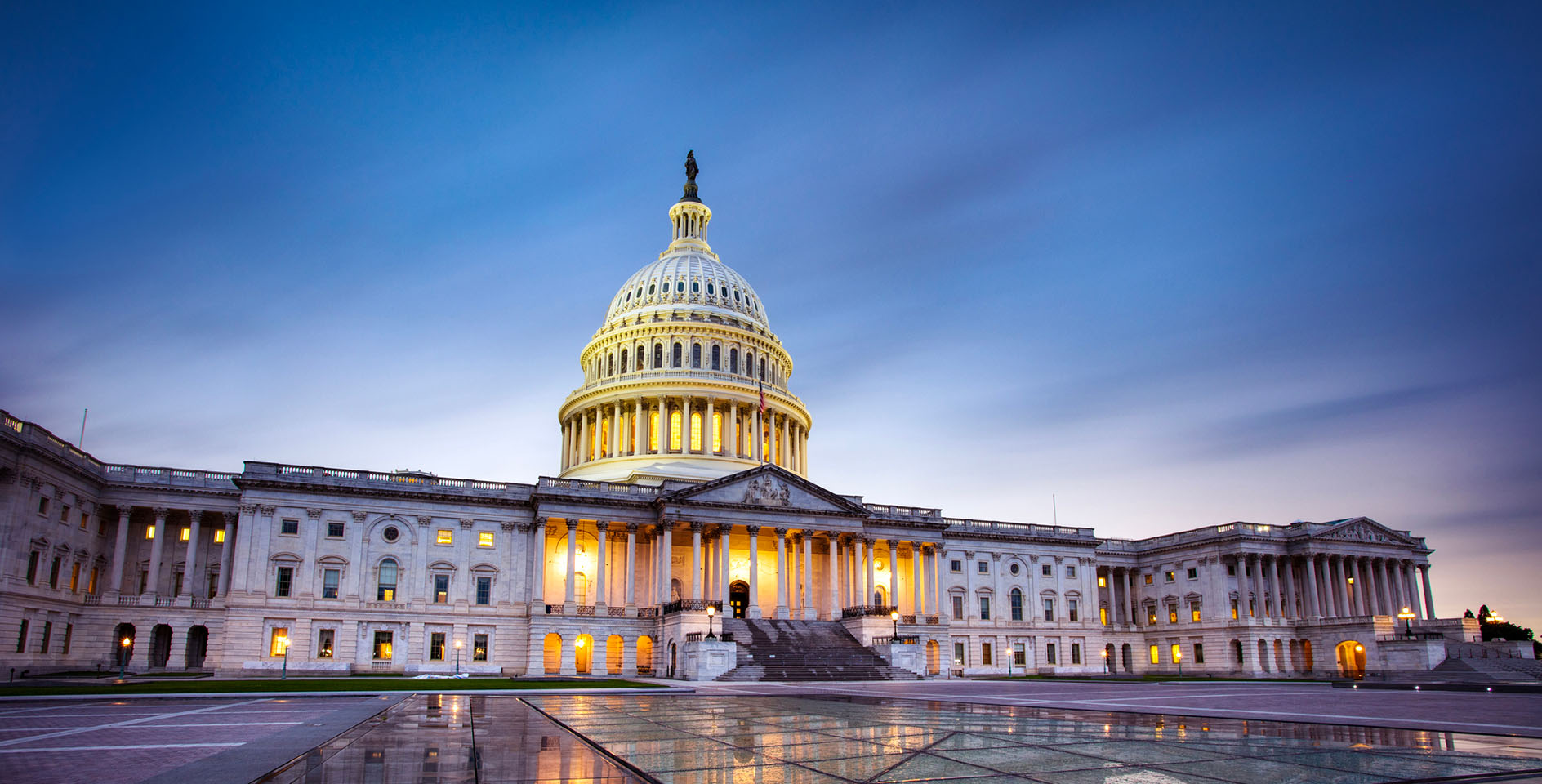

Nearly six months after the beginning of fiscal year 2024, the U.S. Congress has finally fully funded the federal government through Sept. 30. Following four continuing resolutions (CRs), Congress passed two minibus packages that included all twelve federal appropriations bills that fund the various parts of the government.
The first minibus, passed on March 8, included:
- the Agriculture-FDA;
- Commerce-Justice- Science;
- Energy-Water;
- Interior-Environment;
- Military Construction-Veterans Affairs;
- and Transportation-Housing-Urban Development bills.
The second minibus, passed on March 22, included the more controversial:
- Defense;
- Financial Services-General Government;
- Homeland Security
- Labor-Health and Human Services-Education;
- Legislative Branch;
- and State-Foreign Operations bills.
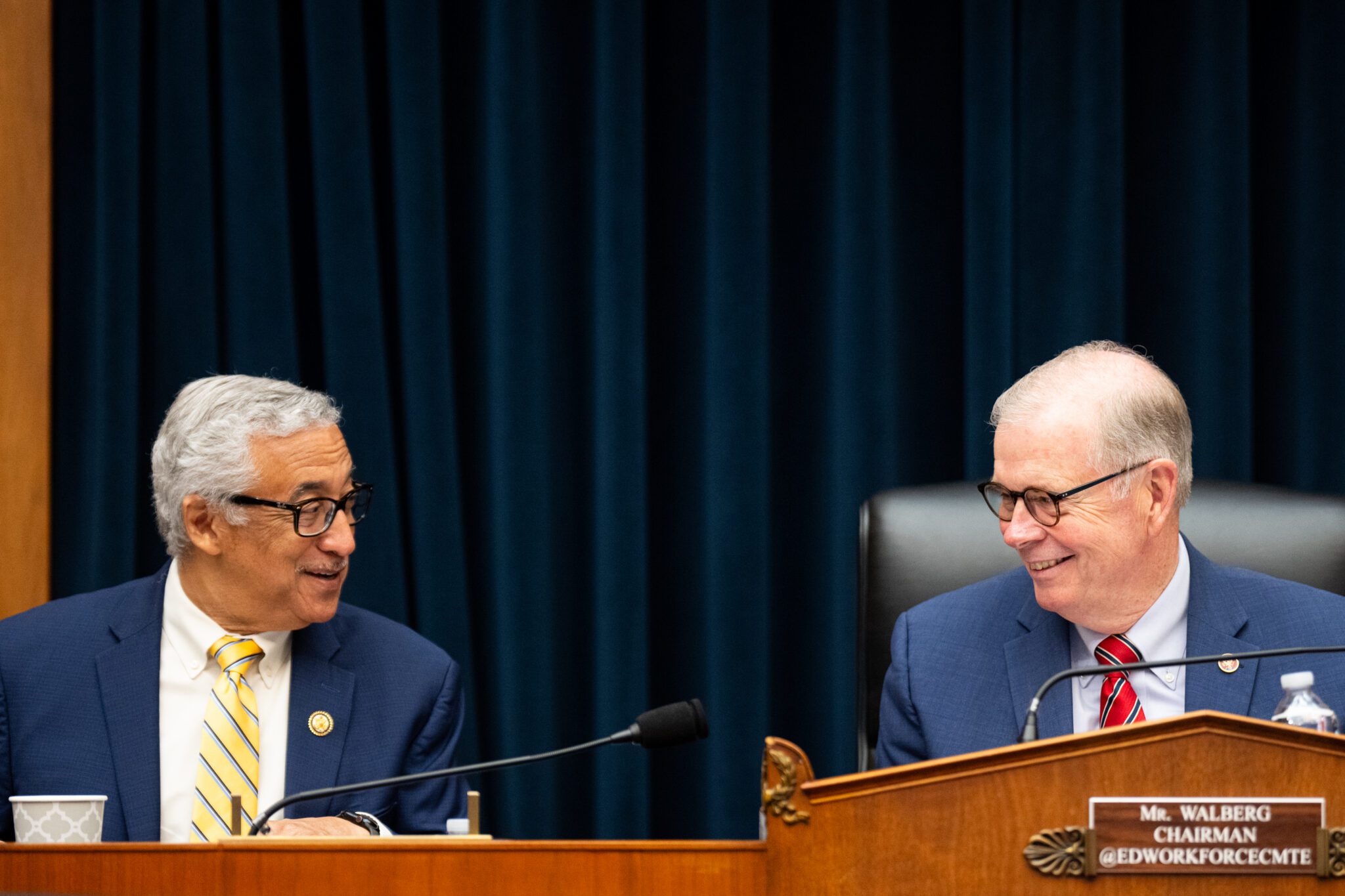
Though the minibus packages advanced with large majorities, both packages garnered significant pushback from many members of Congress.
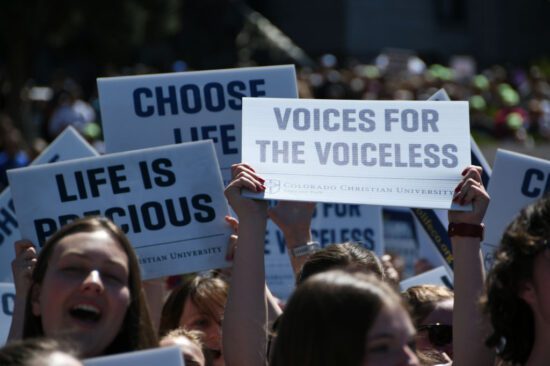
Each year, the ERLC communicates its concerns and priorities, particularly related to life and religious liberty, in appropriations with lawmakers. Though we were pleased to see some of our previously voiced concerns resolved in the final package, the realities of a divided Congress prevented many of our priorities and concerns from being addressed.
What was included in the bill?
Most significantly, the final spending package once again included the long-standing “Hyde-family” of riders. After several years of Democratic-led opposition to these riders, their continued presence is significant. This includes:
- The Hyde amendment, which prevents Medicaid from covering the cost of abortion and protecting the consciences of American taxpayers. It saves an estimated 60,000 preborn lives each year.
- The Weldon amendment, which protects the rights of conscience for healthcare professionals and institutions by preventing HHS from denying funding to recipients that refuse to provide, pay for, or refer for abortion.
- The Helms amendment, which prevents foreign aid from directly paying for an abortion.
- The Smith amendment, which bans funding for elective abortion through the Federal Employee Health Benefits program.
- The Dornan amendment, which prohibits federal and congressionally approved local funds from paying for elective abortions in the District of Columbia.
Regrettably, alongside these riders, the final packages also included:
- significant funding for domestic family planning programs,
- veteran “gender specific care” programs,
- and similar international funds like the United Nations Population Fund which funnel money into pro-abortion organizations.
Though these riders keep money from funding the actual abortion procedure, these organizations can use government funding to cover all other operational costs. While we would like to see no funding go toward the predatory abortion industry, it is noteworthy that the final funding levels were lower than originally proposed. Enacted FY23 levels were generally maintained.
Two small but significant victories for international religious freedom include:
- A funding increase for the United States Commission on International Religious Freedom (USCIRF). USCIRF plays a vital role in spotlighting and advocating for international religious freedom around the world. Though it was not fully funded at the requested amount, it did garner a significant increase in funding above FY23 levels.
- The inclusion of the longstanding, bipartisan Lautenberg Amendment. For decades, this rider has granted a special pathway to those fleeing religious persecution in former Soviet Union countries and Iran, including many evangelical Christians. Despite this history, the rider was initially excluded from the House State-Foreign Operations bill. The ERLC was encouraged to see this important language reinstated in the final package after much advocacy.
What was excluded from the bill?
The previously-introduced, Republican-led appropriations bills in the House of Representatives included many new provisions that would have pushed forward the cause of life and provided new protections for religious liberty and conscience rights. Unfortunately, nearly all of these “poison-pill”-deemed riders were stripped from the final package.
Many of the House-led bills included new riders that would have extended the “Hyde” protections that prohibit the use of government funding for abortion procedures to abortion-related travel. In the wake of the Dobbs decision, the Biden administration has taken a number of actions to circumvent Hyde restrictions on government funding. These riders would have provided important new protections to stop the Biden administration’s misuse of federal funds for the evil of abortion.
Similarly, many of the House-passed bills included new riders that would have mirrored Hyde-like protections to prohibit the use of government funding for “gender transition” procedures. The Biden administration has utilized every tool available to expand the availability and accessibility of these harmful procedures. These riders would have provided meaningful safeguards against the use of federal funds for these ends.
The ERLC will continue to advocate for these issues to be addressed through standalone legislation or in upcoming appropriations cycles.
What happens next?
Due to the late passage of these bills, the fiscal year 2025 appropriations cycle is already underway. President Biden has already submitted his symbolic budget request to Congress, and various cabinet secretaries are appearing before Congress to present their budget requests.
As a nation, our values and priorities are most clearly displayed through the allocation of our resources. It is our desire for those resources to be used in a way that promotes life, religious liberty, and the flourishing of all our neighbors. As this process moves forward, the ERLC will continue to analyze these proposed bills and advocate for the inclusion of provisions that uphold these core principles.