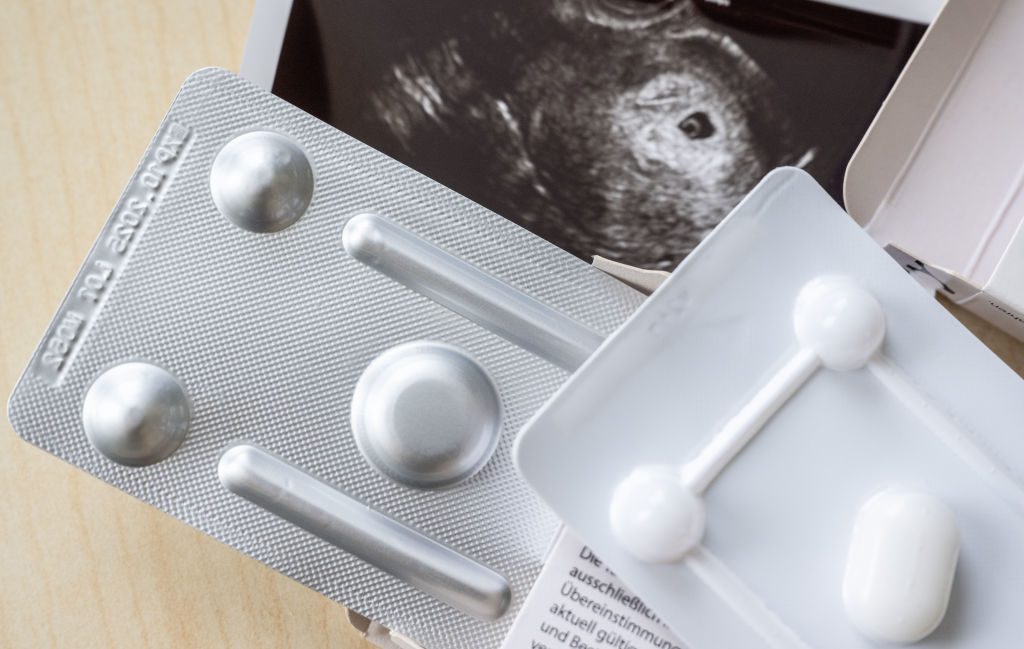
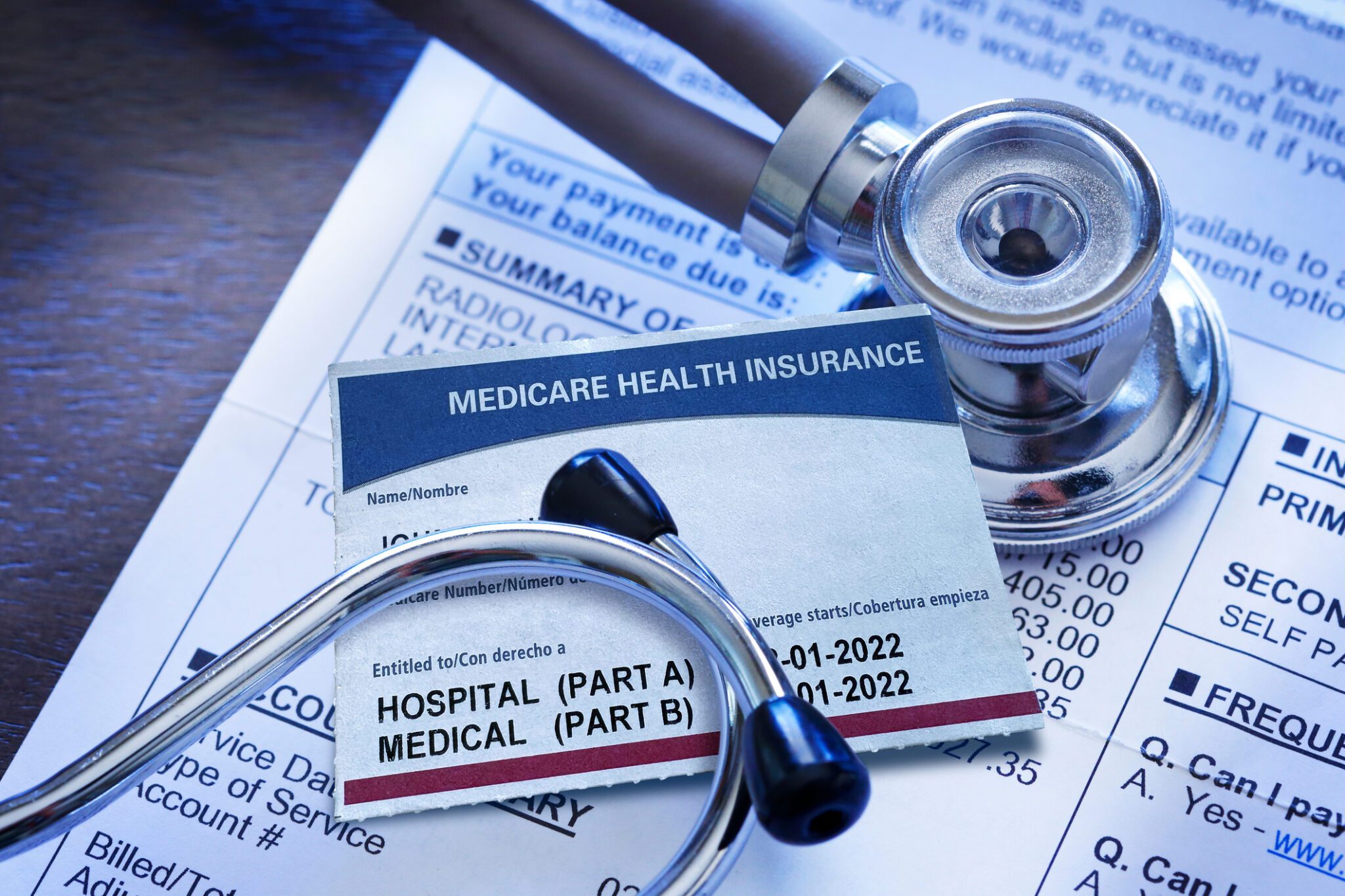

As oral arguments begin in Hobby Lobby’s challenge to the HHS abortifacient mandate, we might ask what the Founders would think about this case? On one hand, they could not have imagined it. The public sale of government-approved contraceptives and abortifacients (and to be fair, that of most modern medicines of any kind) would have been unfathomable in 1776. And the notion of a government requiring businesses to provide contraceptive and abortifacient coverage? Such an idea could never have occurred to them.
But part of the debate would have struck them as quite familiar: the concept that certain laws might require exemptions for those who objected on religious grounds. For the Founders, the most common cases of such exemptions involved Quakers. The Quakers were one of the most radical groups emerging from the English Reformation, and in the 1680s they founded Pennsylvania. Quakers were pacifists and refused military service. They also objected to the swearing of oaths, a common practice in courts and in the seating of political officials.
The Quakers’ opposition to oaths was based on a plain reading of Matthew 5:33-37, in which Jesus said “Swear not at all…But let your communication be, Yea, yea; Nay, nay: for whatsoever is more than these cometh of evil.” (KJV) Early Americans assumed that requiring an oath for legislators or participants in court cases would help guarantee honesty and integrity, but those requirements functionally banned Quakers from accessing some of the most basic institutions of government.
By the eighteenth century, many American colonies had begun to enact exemptions for Quakers so they would not have to swear oaths. Typically this involved allowing objectors to “affirm” that they would tell the truth or do their duty, a compromise which satisfied Quakers’ objections. This policy became so entrenched in American law that the Constitution’s oath of office for the president takes it into account: "I do solemnly swear (or affirm) that I will faithfully execute the Office of President of the United States.” According to the Judiciary Act of 1789, judges had to swear (or affirm) to uphold the laws and Constitution of the United States, concluding with the petition, “so help me God.” But the act also noted that the “words, ‘so help me God,’ shall be omitted in all cases where an affirmation is admitted instead of an oath.”
Quakers were also afforded exemptions from military service, and along with Baptists, they asked for and sometimes received relief from the religious taxes imposed by many of the colonies to support established denominations, usually either the Anglican or Congregationalist Church. Often the colonies would require dissenters like the Baptists to produce a certificate showing that they were really active in a dissenting congregation and not just trying to avoid the tax. But that system was clumsy, and Baptists in the Revolutionary era resented having to do anything to get out of paying a tax they considered a violation of conscience in any case.
The Baptists’ opposition to state establishments of religion, and to the exemption certificates, set the stage for their great campaign in the 1770s and 1780s against religious establishments of any kind. That campaign helped to end most official state support for particular denominations. Along with prominent political leaders such as James Madison, Baptist pressure helped ensure a national commitment to full religious freedom, as articulated in the First Amendment.
The great Baptist champion of religious liberty, John Leland, a staunch ally of Madison and Thomas Jefferson, acknowledged that religious dissenters could not be allowed to “disturb the peace” and harm fellow citizens under the cover of conscience objections. However, he insisted that governments which really valued religious liberty should afford exemptions to laws that “prevent liberty of conscience,…because men cannot stretch their consciences like a nose of wax.” Sincere religious non-conformists should not be treated like common vagrants, he said.
Extending exemptions for cases of religious conscience is a longstanding part of America’s effort to ensure both the rule of law and real religious liberty. Secularist advocates today will argue that religious freedom does not extend beyond the walls of congregations, but that was not the view of the Founders. Religious liberty was public liberty.
Secularist advocates will similarly argue that we cannot account for the messiness of religious liberty claims – we can never judge the validity of the many possible conscience claims, they say. The public good (meaning, in the case of the HHS Mandate, broad access to health care, including abortifacients) must trump dissenting religious concerns. But again, the Founders realized that government would have to accommodate sincere religious objections, even when majorities in a legislature believed that a law served the public good.
Any reasonable observer can see that the Green family of Hobby Lobby (as well as their co-litigants Conestoga Wood) has a sincere religious objection to providing abortifacient coverage to employees. Their convictions represent an honest, longstanding objection to abortion held by many other Americans. The HHS Mandate, conversely, represents an abrupt, intrusive requirement of the national government that has obvious ramifications for the consciences of many American employers. Trying to ram this policy through, without offering substantive conscience exemptions, would have struck the Founders as ungenerous and coercive.