



During the recent 2018 midterm election, voters in 37 states also considered ballot measures on a range of social issues. Here are some of the main decisions on issues of special concern to ERLC.
Abortion
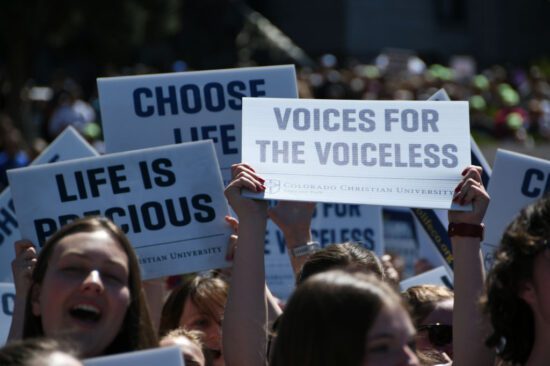
Three states had ballot initiatives related to abortion access and funding.
Alabama — Voters in Alabama approved an amendment to their state constitution that makes it the public policy of the state to recognize and support the importance of unborn life and the rights of unborn children—including the right to life—and to protect the rights of unborn children. Additionally, the amendment makes it clear the state constitution does not include a right to abortion or require the funding of an abortion using public funds. The proposed amendment does not identify any specific actions or activities as unlawful. It expresses a public policy that supports broad protections for the rights of unborn children as long as the protections are lawful.
West Virginia — Voters in West Virginia approved an amendment to clarify that “nothing in the Constitution of West Virginia secures or protects a right to abortion or requires the funding of abortion.” (West Virginia also has laws restricting access to Medicaid funding for abortion and criminalizing abortion that includes jail time for performing or receiving an abortion. Neither law is currently in effect, though, because to federal and state court rulings.)
Oregon — Voters in Oregon voted against an amendment that would have changed the Oregon Constitution to prohibit publicly funded healthcare programs from covering abortion.
Animal Welfare
California — Voters in California approved an amendment that establishes new minimum space requirements for confining veal calves, breeding pigs, and egg-laying hens. The law requires egg-laying hens be raised in cage-free environment after December 31, 2021, and prohibits certain commercial sales of specified meat and egg products derived from animals confined in non-complying manner.
Florida — Voters in Florida approved an amendment prohibiting racing of and wagering on greyhounds or other dogs.
Drugs
Four states had ballot initiatives concerning the legalization of recreational or medical marijuana.
Michigan — Voters in Michigan approved a measure to authorize and legalize possession, use, and cultivation of marijuana products by individuals who are at least 21 years of age and older. The law also allows the commercial sales of marijuana through state-licensed retailers and allows individuals to grow up to 12 marijuana plants for personal consumption. Additionally, the law imposes a 10-ounce limit for marijuana kept at residences and require amounts over 2.5 ounces be secured in locked containers. (Medical marijuana was legalized in Michigan in 2008.)
Missouri — Voters in Missouri approved an amendment that changes the Missouri Constitution to allow the use of marijuana for medical purposes.This amendment creates regulations and licensing procedures for medical marijuana and medical marijuana facilities — dispensary, cultivation, testing and marijuana-infused product manufacturing facilities.
North Dakota — Voters in North Dakota voted against a measure that would have let people 21 and older possess, use, grow, buy, and sell marijuana for recreational purposes.
Utah — Voters in Utah approved a proposal to establish a state-controlled process that allows persons with certain illnesses to acquire and use medical cannabis and, in certain limited circumstances, to grow up to six cannabis plants for personal medical use. The law will also authorize the establishment of facilities that grow, process, test, or sell medical cannabis and require those facilities to be licensed by the state, and establishes state controls on those licensed facilities
Note: None of these state laws change federal law, which makes marijuana possession, sale and cultivation a federal offense.
Gambling
Florida — Voters in Florida approved an amendment designed to provide voters with the “exclusive right to decide whether to authorize casino gambling in the State of Florida.” The amendment to the state constitution made the citizen initiative process “the exclusive method of authorizing casino gambling,” meaning the Florida State Legislature would not be permitted to authorize casino gambling through statute or through referring a constitutional amendment to the ballot.
Idaho — Voters in Idaho voted against a measure that would have allowed the use of video terminals for betting on historical horse races restricted to locations at which live horse races are held on at least eight days of the year.
Justice Issues
Colorado — Voters in Colorado approved an amendment that prohibits slavery and involuntary servitude as punishment for a crime and thereby prohibits slavery and involuntary servitude in all circumstances.
Florida — Voters in Florida approved an amendment that restores the voting rights of citizens with felony convictions after they complete all terms of their sentence including parole or probation. The amendment does not apply to those convicted of murder or sexual offenses, who would continue to be permanently barred from voting unless the state’s governor and cabinet vote to restore their voting rights on a case by case basis.
Florida voters also approved an amendment that creates constitutional rights for victims of crime.
Louisiana — Voters in Louisiana approved an amendment that eliminated a Jim Crow law allowing non-unanimous juries in felony trials. The new law requires the unanimous agreement of jurors to convict people charged with felonies. From 1898 to 2018, Louisiana only required the agreement of 10 of 12 jurors to convict people charged with felonies. The amendment will not affect juries for offenses that were committed before January 1, 2019.
Sexuality Issues
Massachusetts — Voters in Massachusetts amended a state anti-discrimination law to include gender identity to the list of prohibited grounds for discrimination in places of public accommodation, resort, or amusement. This law prohibits discrimination based on gender identity in a person’s admission to or treatment in any place of public accommodation. The law requires any such place that has separate areas for males and females (such as restrooms) to allow access to and full use of those areas consistent with a person’s gender identity. The law also prohibits the owner or manager of a place of public accommodation from using advertising or signage that discriminates on the basis of gender identity.