



Today, tens of thousands of pro-life supporters are gathered in Washington, D.C., for the 53rd National March for Life. Hosted annually around the anniversary of the U.S. Supreme Court’s 1973 Roe v. Wade decision, the march is the nation’s largest pro-life gathering. Although Roe was rightly overturned in the 2022 Dobbs v. Jackson Women’s Health Organization ruling, the pro-life movement now faces some of its greatest challenges yet.
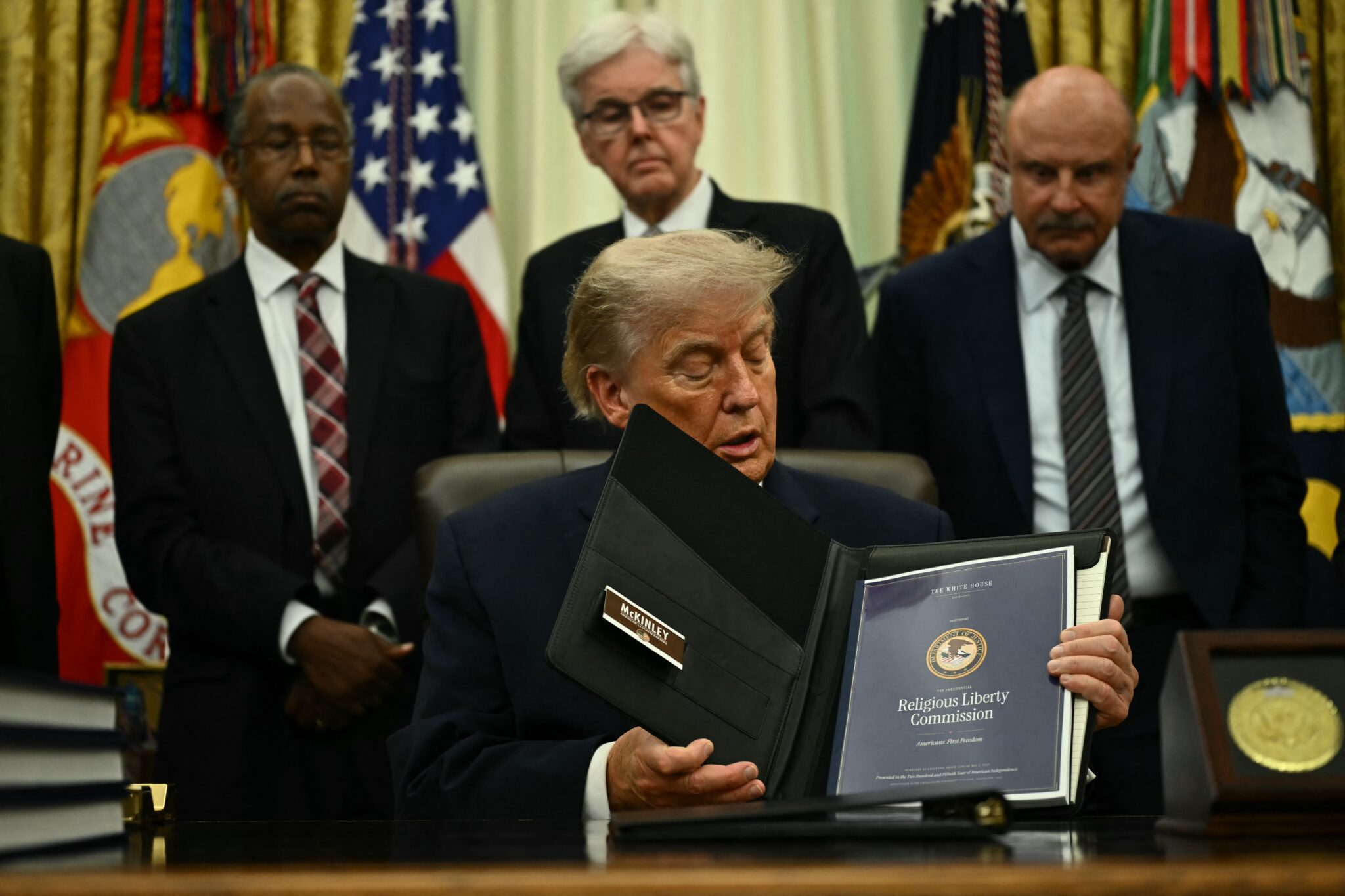
At last year’s march, President Donald Trump delivered a video message, pledging to “stand proudly for families and for life.” Immediately afterward, Vice President J.D. Vance proclaimed, “Now the task of our movement is to protect innocent life … [to be] pro-life in the fullest sense of that word possible.” Both are slated to speak again today.
In the ensuing year, the White House delivered on multiple pro-life commitments, including reinstating the Mexico City Policy, revoking Biden-era executive orders that had classified abortion as healthcare, and defunding Planned Parenthood for a year through the “One Big Beautiful Bill.” In the first week of his second term, President Trump signed an executive order titled “Enforcing the Hyde Amendment,” a landmark action articulating that U.S. policy prohibits taxpayer funding of abortion.
Despite these positive federal actions, the pro-life movement finds itself at a crossroads. Earlier this month, President Trump encouraged pro-life lawmakers to show “flexibility” on the Hyde Amendment in ongoing discussions about Affordable Care Act (“Obamacare”) subsidies. Additionally, the administration has avoided actions to curb the proliferation of abortion drugs.
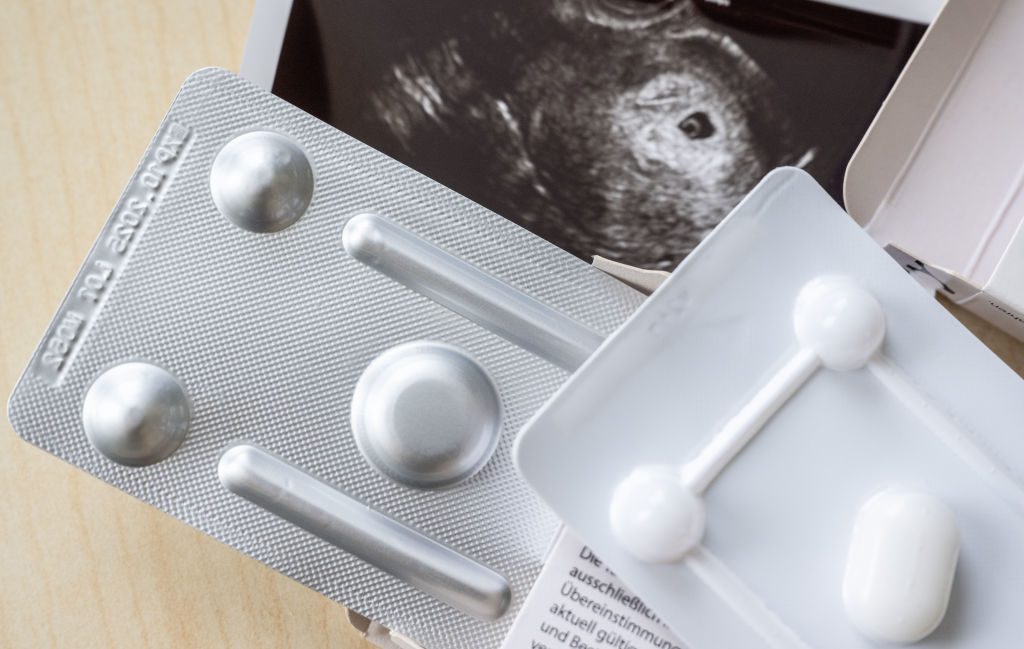
Tragically, abortions are on the rise, with chemical abortions accounting for nearly 63 percent of abortions in the year following Dobbs. While the abortion drug, mifepristone, is heralded as “safer than Tylenol,” it carries significant health risks. A 2025 report indicated that 10.93% of women experience adverse health events (e.g., sepsis, infection, or hemorrhaging) after using mifepristone, a rate 22 times higher than what the FDA currently acknowledges. Although this report promptedthe FDA to launch a safety review of the abortion drug, the process has been slow. With each passing day, mothers remain susceptible to grave harm, and innocent unborn lives are on the line.
Despite these striking realities, the Trump administration has delayed action to limit access to mifepristone. It has neglected to reinstate safeguards intended to protect women, and it has failed to enforce the Comstock Act, a federal law prohibiting the mailing of abortion-inducing medications.